
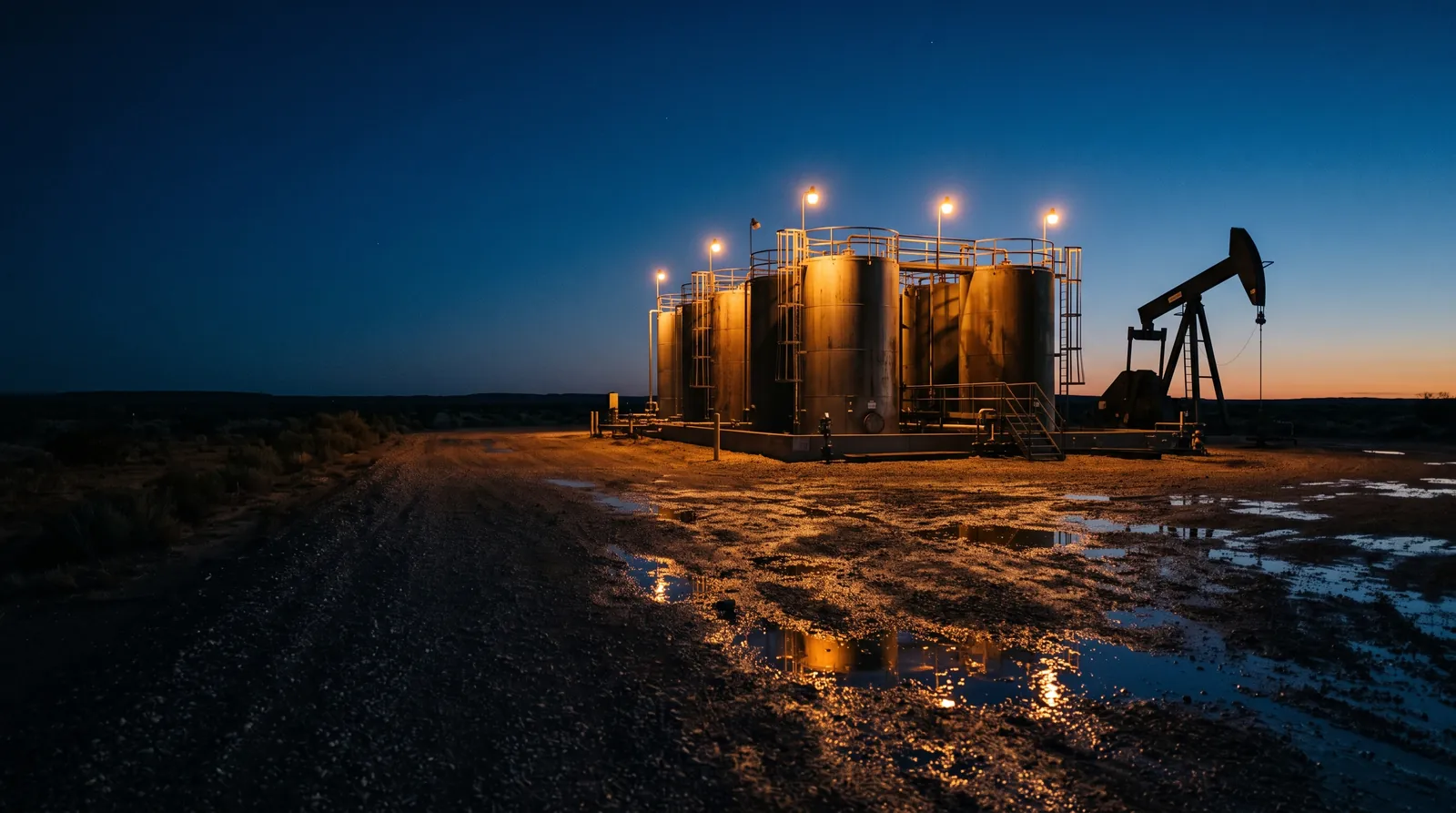
Oil and Gas Transfer Pumps
Pacer oil and gas transfer pumps move fuel, drilling chemicals, and water on well pads. Glass-reinforced thermoplastic, built in Lancaster, PA since 1974.
What is an oil and gas transfer pump?
An oil and gas transfer pump moves fuel, drilling chemicals, and water across well pads, midstream facilities, and remote camps. Pacer oil and gas transfer pumps use glass-reinforced thermoplastic construction that resists petroleum products, production chemicals, and fracking flowback — fluids that degrade standard metal pumps fast.
Petroleum production fluids, abrasive fracking flowback, and pipeline anti-icing chemistry corrode metal quickly. That corrosion becomes downtime, and downtime on a well pad is expensive. Alfred S. Marlow originated the self-priming thermoplastic centrifugal transfer pump in 1974, and field operators have depended on that chemical resistance ever since. Trust the Leader, Trust Pacer.
What Every Pacer Oil and Gas Transfer Pump Includes
- Glass-reinforced thermoplastic construction for petroleum products and production chemicals
- Self-priming design that pulls from tanks, pits, and containment without manual priming
- Internally submerged seals that stay cool and deliver run-dry protection
- Corrosion resistance for drilling fluids, anti-icing chemistry, mild acids, and bases
- Gas engine, electric motor, hydraulic motor, and pedestal-mount drive options
- Hydrostatic seal testing and stress testing at three times rated pressure
- Stock and built-to-order pumps from Lancaster, Pennsylvania
- 100 percent satisfaction guarantee backed by 52 years of US manufacturing
How are Pacer pumps built?
Pacer builds every pump in four steps — molding, hand assembly, seal and pressure testing, and on-site flow testing. Craftsmen with decades of experience hand-assemble every pump in Lancaster, Pennsylvania. Every Pacer pump arrives ready to work right out of the box.
Molding
First, Polymar Injection Molding molds every plastic pump part. Polymar sits five miles from our plant and holds ISO 9001 certification.
Hand Assembly
Next, skilled craftsmen hand-assemble every pump. Shop Lead Joseph Rhoads, 24 years at Pacer, checks every part against Pacer standards.
Testing
Then, our team checks every seal hydrostatically and stress-tests plastic housings to three times rated running pressure.
Flow Testing
Finally, the assembly team flow-tests pumps on site. Therefore, every pump ships ready for field use.
What are oil and gas transfer pumps used for?
Oil and gas transfer pumps move diesel, oils, and fuel oil between storage tanks and service vehicles, handle drilling chemicals and anti-icing fluids, dewater well pads and containment pits, supply fresh water to remote worker camps, and deliver high-pressure water for cleaning machinery, service rigs, and tanks.
Top Oil and Gas Applications for Pacer Pumps
- 01
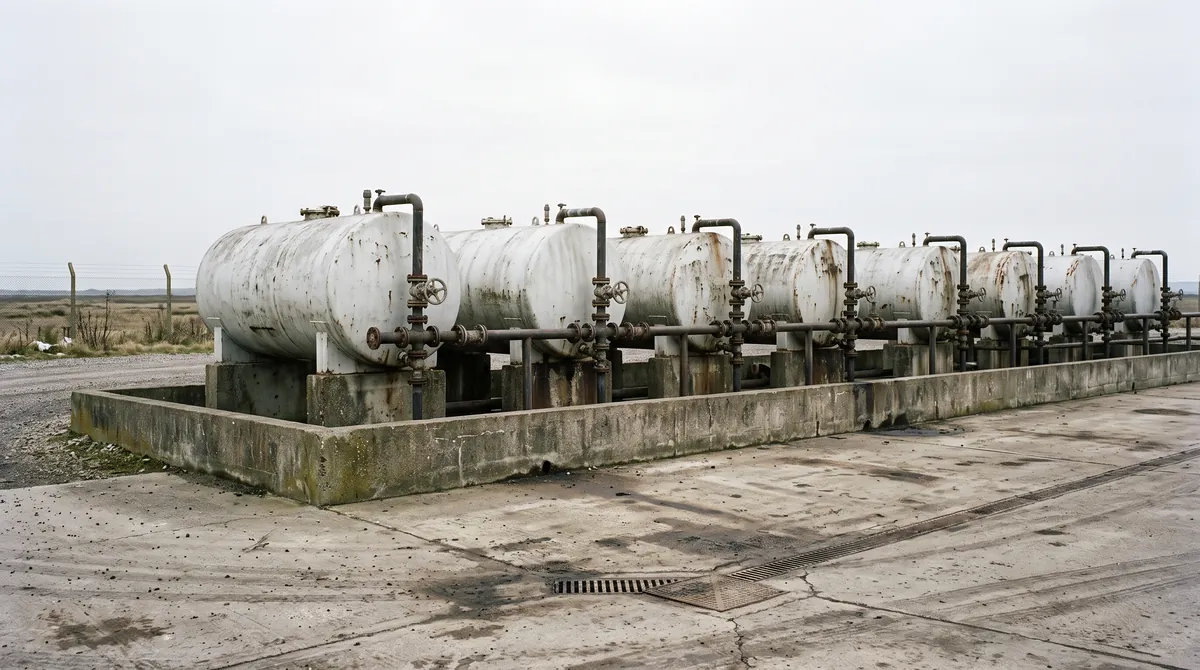
Bulk fuel transfer
Diesel, oils, and fuel oil move between storage tanks and service vehicles on a daily cycle.
- 02
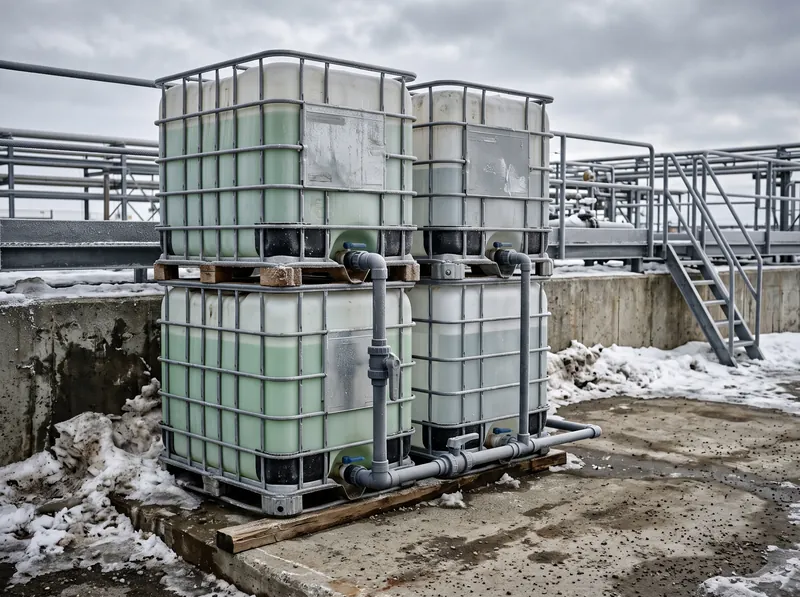
Drilling and anti-icing chemistry
Aggressive fluids that eat metal pass through thermoplastic housings without the same degradation.
- 03
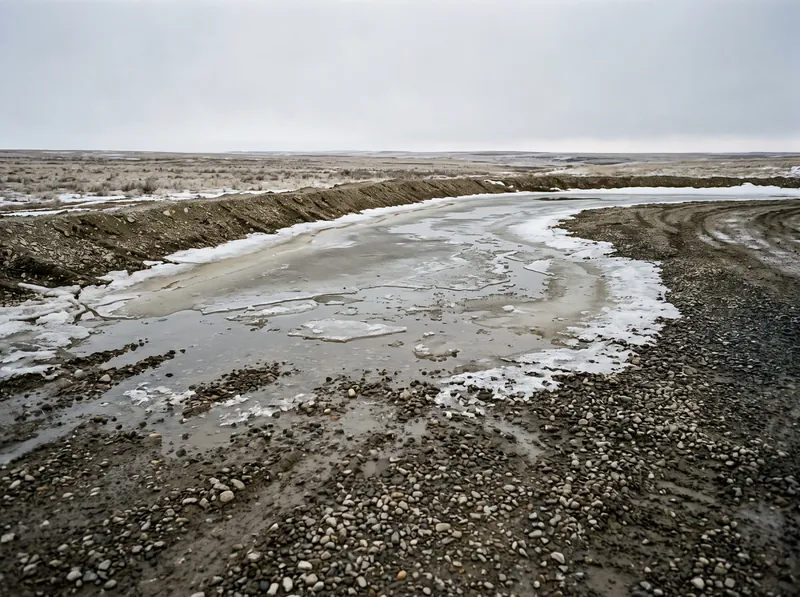
Well pad dewatering
Stormwater and seepage collect in pads and containment pits. Pumps clear them before work stops.
- 04
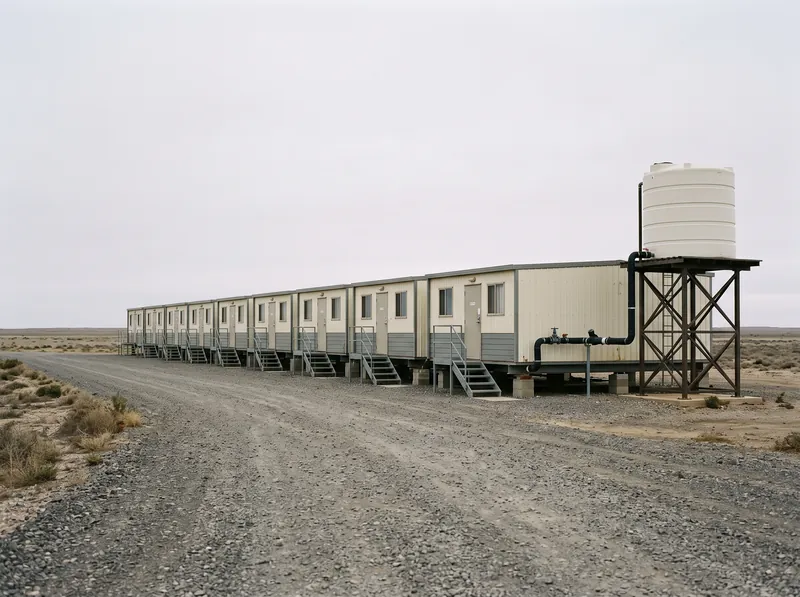
Remote camp water
Worker camps sit far from infrastructure and need fresh water delivered reliably.
- 05
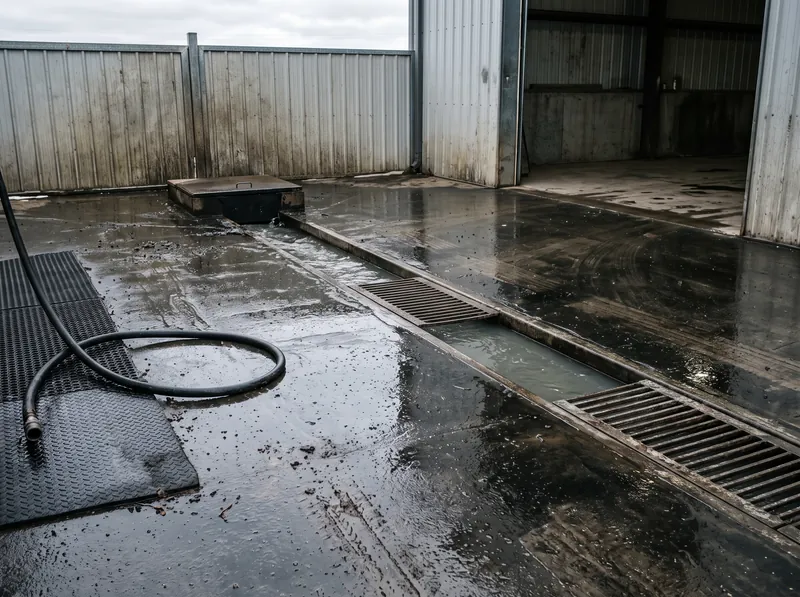
Washdown
High-pressure water cleans heavy machinery, service rigs, and storage tanks between runs.
Why Reliability Matters on an Oil and Gas Site
The United States leads the world in oil and natural gas production, and that output depends on rapid-extraction infrastructure where one equipment failure can stop an entire supply chain. A pump that quits mid-transfer stops more than the transfer.
Pacer stress-tests every plastic housing to three times rated running pressure and checks every seal hydrostatically before shipment. Self-priming design and run-dry protection handle the conditions that end other pumps — a pit that empties faster than expected, or a prime lost on a cold morning.
Where Oil and Gas Operations Buy Pacer Pumps
Pacer sells through authorized distributors worldwide. Industrial networks including Motion Industries, Applied Industrial Technologies, Ryan Herco Flow Solutions, and Burt Process Equipment carry full assemblies. Pump specialists PumpBiz and Dultmeier Sales stock self-priming centrifugal models. Crews also find Pacer at Tractor Supply, Ace Hardware, Do It Best, and True Value. Parts are available to order directly.
A Tractor Supply manager in Odessa, Texas put it plainly: “Pacer are ready to use out of the box for the Oil and Gas workers that come in and need a pump. They need it when they do and Pacer always keeps us in stock!”
Are Pacer pumps made in the USA?
Yes. Pacer molds and assembles every pump in Lancaster, Pennsylvania. Plastic parts come from Polymar Injection Molding, our ISO 9001 certified sister company five miles away. Every Pacer oil and gas transfer pump is made in the USA, hand-built by skilled craftsmen.
About Pacer Pumps
Most pump manufacturers moved production overseas. Pacer did not. Our team builds every pump at a 60,000-square-foot Lancaster, Pennsylvania facility. Operations Manager Kyle Portner, 21 years at Pacer, leads daily operations alongside Technical Sales Level III Randy Querry, who brings 29 years of product knowledge. Kim Blazina is the second generation of her family at Pacer, now 39 years in customer service. Our top four office members bring 105 combined years of experience. Mantec and the Central Pennsylvania Business Journal recognized Pacer in 2018 for growth.
Pacer also builds industrial transfer pumps, marine transfer pumps, and ag transfer pumps for additional markets.
Questions
Frequently asked
Can a Pacer pump handle diesel and fuel oil?
Pacer glass-reinforced thermoplastic construction resists petroleum products that corrode standard metal housings. Crews use Pacer pumps to move diesel, oils, and fuel oil between storage tanks and service vehicles. Contact Pacer to confirm compatibility for your fluid before ordering.
What happens if the pump runs dry on a well pad?
Pacer seals sit internally submerged and stay cool after the initial prime, giving a forgiving run-dry capability when a containment pit empties faster than expected. Run-dry tolerance is a safeguard, not a substitute for correct priming.
How fast can Pacer ship an oil and gas transfer pump?
Pacer offers both stock and built-to-order pumps. Pumps arrive ready to work, so crews put them into service the day they land.
Ready to put a Pacer pump to work?
Pacer oil and gas transfer pumps move fuel, chemistry, and water through conditions that corrode ordinary equipment. We hand-build every one in Lancaster, Pennsylvania and ship within days. Trust the Leader, Trust Pacer.