

Where Water Pumps Are Used in Marine Operations
Marine water transfer pumps handle bilge, ballast, engine cooling, washdown, fire suppression, and wastewater on vessels of every size.
What Do Marine Water Transfer Pumps Do?
Marine water transfer pumps handle bilge and ballast removal, engine cooling, deck and net washdown, bait tank circulation, wastewater management, and high-pressure work like fire suppression and desalination pre-filtration. Pumps in marine operations serve vessels of every size, from small fishing vessels and luxury yachts through large commercial ships, across saltwater and freshwater applications.
Water pumps are central to marine operations. Every vessel, from a small fishing vessel to a large commercial ship, depends on continuous water movement for safety, system performance, and day-to-day operations. Pumps support vessel stability through bilge and ballast removal, engine longevity through cooling, deck cleanliness through washdown, and emergency response through fire suppression.
Where Water Pumps Are Used in Marine Operations
- Bilge and ballast pumping — removing water from the lowest inner part of a ship’s hull
- Maintaining vessel stability and safety
- Engine cooling for marine engines
- Deck and net washdown for cleaning decks, equipment, and fishing nets
- Bait tank circulation to keep live bait healthy through circulation and oxygenation
- General water transfer on vessels of all sizes
- Fire suppression systems requiring high-pressure water flow
- High-pressure washdown for stubborn marine growth and debris
- Desalination pre-filtration for clean water supply on long voyages
- Handling corrosive fluids in marine use
- Wastewater management aboard vessels and at marine facilities
- Large-scale water transfer for large vessels and marine facilities
How Marine Water Transfer Pumps Function on Board
Marine water pumps cover several jobs on a single vessel. Four of the most critical:
- Function 1
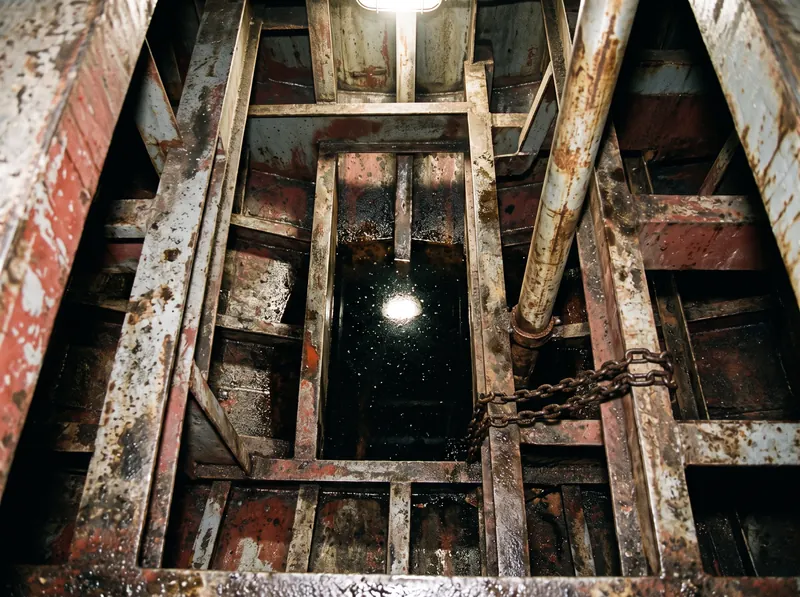
Bilge and Ballast
Marine pumps remove water from the lowest inner part of a ship’s hull. The work maintains vessel stability and safety.
- Function 2

Engine Cooling
Marine engines need consistent temperature regulation. Pumps circulate water through the engine cooling system, which extends engine lifespan and maintains optimal performance.
- Function 3

Deck and Net Washdown
High-volume water flow cleans decks, equipment, and fishing nets. Washdown supports hygiene and operational readiness on commercial vessels and fishing operations.
- Function 4

Fire Suppression
High-pressure pumps deliver the water flow that onboard fire suppression systems need. Fire safety on board depends on reliable, high-pressure pump performance.
Why Do Marine Bilge Pumps Need to Be Self-Priming?
US Coast Guard regulations require each fixed power bilge pump on a covered vessel to be self-priming. Self-priming pumps move water without manual priming, which matters on a moving vessel where the pump may briefly run dry. The same regulation requires permanent connection to the bilge manifold and the ability to pump water from every watertight compartment.
Pacer Pump Models for Marine Operations
Pacer Pumps offers three pump series used across marine operations.
S Series Pumps. Used for bilge and ballast, engine cooling, deck and net washdown, bait tank circulation, and general water transfer.
IPW Series Pumps. Used for fire suppression systems, high-pressure washdown, and desalination pre-filtration.
I Series Pumps. Used for handling corrosive fluids, wastewater management, and large-scale water transfer on commercial vessels and at marine facilities.
Marine Water Transfer Pumps and US Coast Guard Bilge Pump Standards
US Coast Guard regulations under 46 CFR 182.520 require every fixed power bilge pump on a covered vessel to self-prime, connect permanently to the bilge manifold, and reach every watertight compartment. The regulation also allows operators to connect the pump to the fire main. The standards exist because reliable bilge pumping is central to vessel safety — without it, water that enters the hull cannot be removed quickly enough to keep the vessel afloat. You can read the regulation in full on the eCFR website.
What Marine Environments Are Water Pumps Used In?
Marine water transfer pumps are used across coastal and deep-sea environments. They handle saltwater and freshwater work on small fishing vessels, luxury yachts, and large commercial ships. Saltwater applications call for corrosion-resistant pump construction because of the effects of salt and constant motion on pump components.
Questions
Frequently asked
What are the main uses of water pumps on a vessel?
Marine water transfer pumps handle bilge and ballast removal, engine cooling, deck and net washdown, bait tank circulation, general water transfer, fire suppression, high-pressure washdown, desalination pre-filtration, wastewater management, and large-scale water transfer. The applications cover safety, system performance, and day-to-day vessel operations.
Why do marine pumps need to resist saltwater corrosion?
Marine pumps need materials that resist the corrosive effects of saltwater. Saltwater-resistant construction supports long-term reliability and reduces maintenance costs across coastal and deep-sea conditions.
What types of vessels use water pumps?
Vessels of every size use water pumps. Small fishing vessels, luxury yachts, and large commercial ships all depend on pumps for bilge work, cooling, washdown, fire suppression, and other onboard water management tasks. Specific pump capacity and configuration vary with vessel size and use.
What is the US Coast Guard requirement for marine bilge pumps?
Under 46 CFR 182.520, each fixed power bilge pump on a covered vessel must be self-priming, permanently connected to the bilge manifold, and capable of pumping water from every watertight compartment. The regulation also allows connection to the fire main.
Why is energy efficiency important for marine water transfer pumps?
Fuel is one of the largest operational expenses on any vessel. Pumps that run continuously draw power, and that power draw affects fuel consumption. Energy-efficient pumps reduce operational costs over the life of the equipment.
Water Pumps Are Central to Marine Operations
Water pumps support safety, system performance, and day-to-day operations on vessels of every size. From bilge and ballast work to fire suppression and wastewater management, the pump applications cover the full scope of marine water management. Reliable water movement is a foundational requirement on any vessel that puts to sea.