
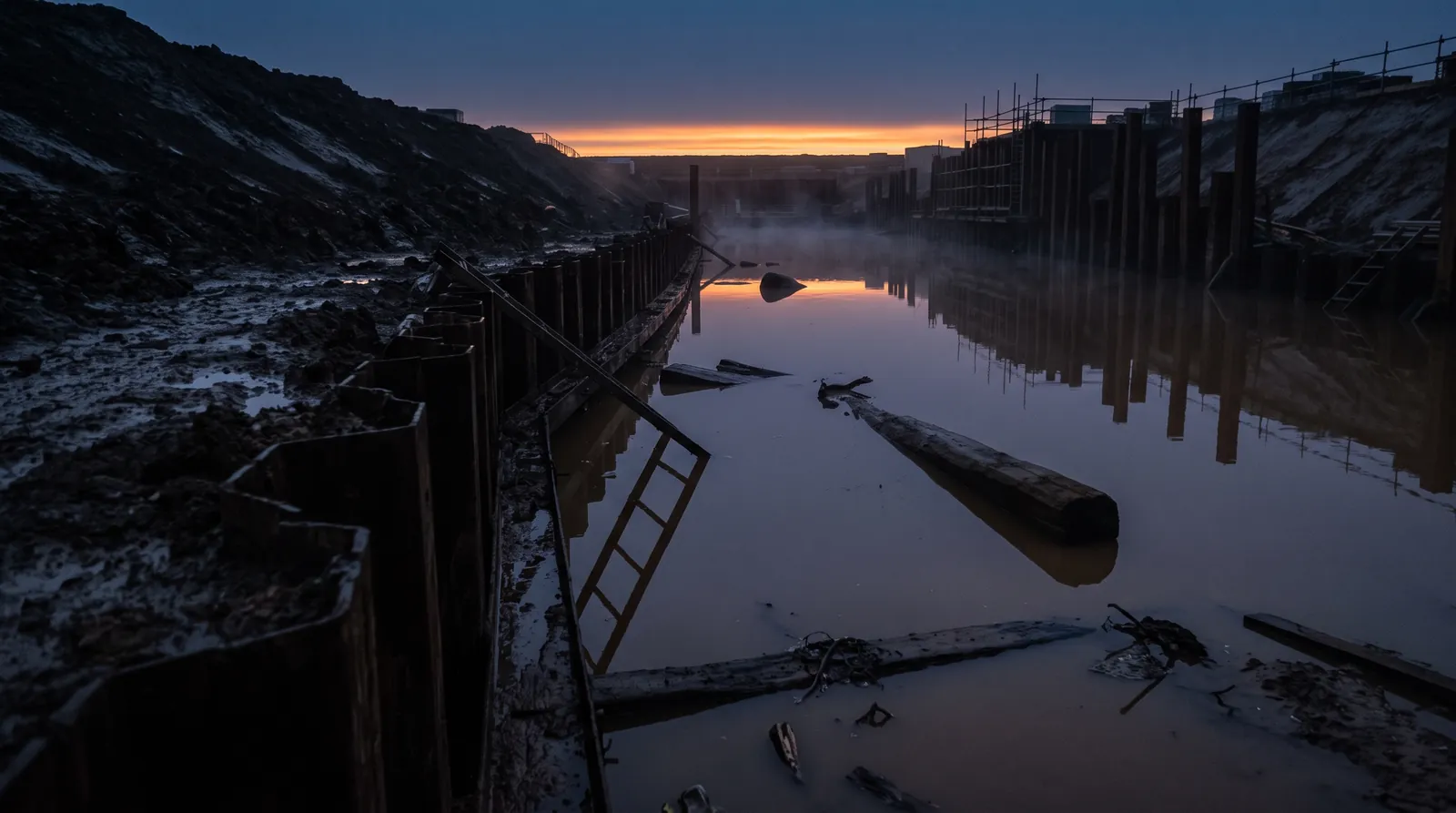
Dewatering Transfer Pumps
Pacer dewatering transfer pumps clear flooded excavations, pits and ponded areas. Hand-built in Lancaster, PA.
What is a dewatering transfer pump?
A dewatering transfer pump removes standing water from a place work has to happen. Pacer dewatering transfer pumps clear flooded excavations, pit bottoms, ponded areas and emergency flood zones. Both aluminum and plastic models run on site. Trust the Leader, Trust Pacer.
Standing water stops work. Equipment sits unusable, grading waits, and every day on the schedule costs money. Pacer dewatering pumps pull the water out and keep crews moving. Alfred S. Marlow originated the self-priming thermoplastic centrifugal transfer pump in 1974, and crews have relied on it ever since.
What Every Pacer Dewatering Transfer Pump Includes
- Self-priming thermoplastic centrifugal design, the original Pacer design from 1974
- Internally submerged seals that stay cool and deliver run-dry capability
- Corrosion-resistant build for wastewater, mild acids and abrasive site water
- Gas engine, electric motor, hydraulic motor and pedestal-mount drive options
- Aluminum and plastic options to match site conditions
- Hydrostatic seal testing and stress testing at three times rated pressure
- Stock and built-to-order pumps from Lancaster, Pennsylvania
How are Pacer pumps built?
Pacer builds every pump in four steps — molding, hand assembly, seal and pressure testing, and on-site flow testing. Craftsmen with decades of experience hand-assemble every pump in Lancaster, Pennsylvania.
Molding
First, Polymar Injection Molding molds every plastic pump part. Polymar sits five miles from our plant and holds ISO 9001 certification.
Hand Assembly
Next, skilled craftsmen hand-assemble every pump and check every part against Pacer standards.
Testing
Then, our team checks every seal hydrostatically and stress-tests plastic housings to three times rated running pressure.
Flow Testing
Finally, the assembly team flow-tests pumps on site, so every pump ships ready for field use.
What are dewatering transfer pumps used for?
Dewatering pumps clear flooded excavations after storms, drain ponded areas that leave equipment unusable, pull water off oil and gas pads, and handle pit dewatering in mining operations. Pacer dewatering transfer pumps cover all four jobs on one platform.
Top Dewatering Applications for Pacer Pumps
- 01

Excavations and trenches
Open cuts fill fast. Pacer pumps pull the water out and keep the dig on schedule.
- 02

Ponded areas
Storm water sitting on a site makes equipment unusable until it is gone.
- 03

Mine and pit dewatering
Pit bottoms collect water continuously, and the water is rarely clean.
- 04

Oil and gas pads
Remote sites need dewatering with no power nearby, where gas and hydraulic drives earn their keep.
- 05

Emergency flood response
Relief crews clear water out of buildings, basements and roadways.
What happens if a dewatering pump runs dry?
Pacer seals sit internally submerged and stay cool after the initial prime, giving a forgiving run-dry capability when a ponded area empties faster than expected. Run-dry tolerance is a safeguard, not a substitute for correct priming. It matters most in dewatering, where the whole point of the job is to remove all the water.
Are Pacer pumps made in the USA?
Yes. Pacer molds and assembles every pump in Lancaster, Pennsylvania. Plastic parts come from Polymar Injection Molding, our ISO 9001 certified sister company five miles away. Every Pacer dewatering transfer pump is made in the USA, hand-built by skilled craftsmen.
Where Crews Buy Pacer Dewatering Pumps
Pacer ships through authorized distributors and rental partners including Sunbelt Rentals, Titan Machinery, Burt Process Equipment, Wylie Manufacturing and PBM Supply. Crews can also shop Pacer pumps directly.
Pacer also builds construction water transfer pumps and industrial transfer pumps for related work.
Questions
Frequently asked
How fast can Pacer ship a dewatering pump?
Pacer offers both stock and built-to-order pumps. Pumps arrive ready to work, so crews put them on site the day they land.
Should I use an aluminum or plastic pump for dewatering?
Both work. Plastic resists corrosion from wastewater, mild acids and abrasive site water. Aluminum suits crews who want a metal housing. Pacer builds both, so you match the pump to conditions.
Can a Pacer pump handle dirty water and sediment?
Pacer pumps handle dirty water, sediment, mild acids, bases and wastewater. For heavy sand or rock slurry, call us first — we will tell you honestly whether a Pacer is the right pump for that duty.
Ready to put a Pacer pump to work?
Pacer dewatering transfer pumps clear the site so the schedule holds. We hand-build every pump in Lancaster, Pennsylvania and ship within days. Trust the Leader, Trust Pacer.