
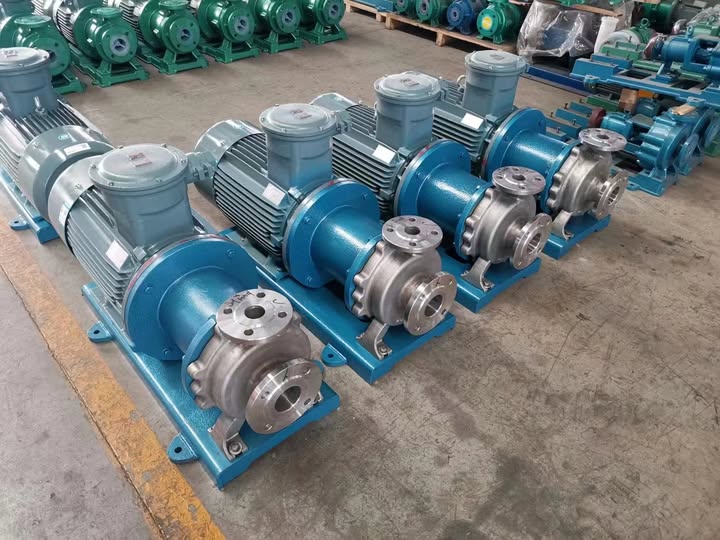
The manufacturing reshoring movement represents one of the most significant shifts in American industrial strategy in decades. Companies across industries are recognizing the strategic value of bringing production back to the United States, driven by supply chain vulnerabilities exposed during recent global disruptions, rising international shipping costs, and increasing demand for products bearing the “Made in America” label. This transformation creates unprecedented opportunities for American manufacturers to reclaim market leadership through superior quality, reliability, and innovation.
Pacer Pumps stands at the forefront of this reshoring revolution, demonstrating how American manufacturing excellence translates into superior products that serve diverse markets with unmatched reliability and performance. Their comprehensive manufacturing capabilities span multiple industries, providing American-made pump solutions that meet the demanding requirements of agricultural, marine, industrial, and specialty applications. The company’s commitment to domestic manufacturing reflects broader industry trends that prioritize supply chain security, quality control, and support for American workers. Understanding the benefits of American-made pumps helps customers make informed decisions that support both their operational needs and broader economic goals.
The Reshoring Renaissance Driving American Manufacturing Growth
Manufacturing construction spending in the United States has reached levels not seen in decades, with companies investing $114.7 billion annually in new domestic manufacturing facilities. This represents a 40% year-over-year increase and a 62% growth over the past five years, making manufacturing the fastest-growing construction category. The reshoring trend accelerated dramatically during the pandemic as supply chain disruptions revealed the vulnerabilities of extended global manufacturing networks.
Federal legislation including the Infrastructure Investment and Jobs Act, the CHIPS and Science Act, and the Inflation Reduction Act provides substantial incentives for domestic manufacturing. These policies create financial advantages for companies that manufacture in the United States while addressing national security concerns about critical supply chain dependencies. The legislative support reflects recognition that domestic manufacturing capability represents both economic and security imperatives for the nation.
Supply chain resilience drives much of the reshoring momentum as companies seek to reduce their exposure to international disruptions. Extended supply chains spanning multiple countries create numerous points of failure that can shut down production with little warning. Domestic manufacturing provides greater control over production schedules, quality standards, and delivery timelines that prove critical for maintaining customer relationships.
Regional manufacturing clusters are emerging across the United States as companies establish new facilities to serve domestic markets. The Sunbelt region experiences particularly strong growth due to available land, state incentives, and growing skilled workforces. These clusters create synergies between suppliers and manufacturers that strengthen entire regional economies while reducing transportation costs and delivery times.
Consumer preference for American-made products continues to grow, with surveys showing Americans willing to pay 20-25% more for domestically manufactured goods. This preference reflects concerns about product quality, safety standards, and desire to support American jobs. The willingness to pay premium prices for American-made products helps offset higher domestic labor costs while creating competitive advantages for reshored manufacturing.
Quality Advantages of American Manufacturing Standards
American manufacturing operates under some of the world’s most rigorous quality and safety standards, creating inherent advantages for domestically produced pumps and industrial equipment. The regulatory framework includes federal oversight through agencies like OSHA for worker safety, EPA for environmental compliance, and various industry-specific standards that maintain high production quality. These standards create manufacturing environments that prioritize both product quality and worker welfare.
Quality control systems in American manufacturing facilities benefit from advanced technology integration, skilled workforce capabilities, and continuous improvement methodologies. Domestic manufacturers can implement rapid quality adjustments based on real-time feedback, customer requirements, and changing market conditions. This responsiveness proves particularly valuable for industrial equipment like pumps where performance reliability directly impacts customer operations.
Material sourcing for American manufacturing often provides superior traceability and quality assurance compared to international alternatives. Domestic supply chains allow manufacturers to verify material origins, quality certifications, and compliance with American standards. This traceability becomes increasingly important for applications where material quality directly affects product performance and safety.
Testing and validation procedures in American manufacturing facilities typically exceed international standards due to liability concerns, regulatory requirements, and customer expectations. Comprehensive testing ensures that products meet or exceed published specifications while identifying potential issues before products reach customers. The testing thoroughness provides confidence for both manufacturers and end users about product reliability.
Continuous improvement culture in American manufacturing emphasizes innovation, efficiency improvements, and quality enhancement. Domestic facilities can rapidly implement process improvements, technology upgrades, and quality enhancements based on customer feedback and operational experience. This adaptability helps American manufacturers maintain competitive advantages through ongoing product and process refinement.
Understanding the critical reasons why agricultural operations depend on high-quality pump systems becomes even more important when considering the top reasons farmers need high-quality pumps for reliable agricultural applications.
Supply Chain Security and Reliability Benefits
Domestic manufacturing provides significant supply chain security advantages that become increasingly valuable in an uncertain global environment. American-made pumps benefit from shorter, more controllable supply chains that reduce vulnerability to international shipping disruptions, port congestion, and geopolitical tensions. These shorter supply chains translate to more predictable delivery schedules and reduced inventory requirements for customers.
Strategic independence from foreign suppliers helps American manufacturers maintain production continuity even during international crises. Recent global events demonstrated how quickly international supply chains can be disrupted, leaving companies dependent on foreign manufacturing without alternatives. Domestic manufacturing provides resilience against these disruptions while supporting national economic security.
Supplier relationships in domestic manufacturing often provide greater transparency, communication, and collaboration compared to international alternatives. Local and regional suppliers can respond more quickly to design changes, quality requirements, and delivery needs. These closer relationships facilitate innovation, problem-solving, and continuous improvement initiatives that benefit final product quality.
Inventory management becomes more efficient with domestic manufacturing due to shorter lead times and more flexible production scheduling. Companies can maintain lower inventory levels while meeting customer demands more responsively. The inventory efficiency reduces working capital requirements while improving customer service through faster order fulfillment.
Risk management benefits from domestic manufacturing through reduced exposure to currency fluctuations, international shipping costs, and foreign political instability. These risk reductions provide more predictable cost structures and business planning capabilities. The stability proves particularly valuable for long-term contracts and customer relationships that require consistent pricing and delivery performance.
Innovation and Technology Leadership in American Manufacturing
American manufacturing facilities increasingly integrate advanced technologies including automation, artificial intelligence, and data analytics to maintain competitive advantages. These technologies improve production efficiency, quality consistency, and cost competitiveness while creating high-skilled employment opportunities. The technology integration helps offset higher labor costs through improved productivity and quality.
Research and development capabilities in American manufacturing benefit from proximity to universities, research institutions, and technology centers. Domestic manufacturers can collaborate more effectively with research partners to develop innovative products, manufacturing processes, and application solutions. These collaborations accelerate innovation cycles while creating intellectual property advantages.
Digital manufacturing technologies including 3D printing, computer-aided design, and simulation software allow American manufacturers to rapidly prototype, test, and refine product designs. These capabilities reduce development time and costs while improving final product performance. The digital tools prove particularly valuable for customized products and applications that require specific performance characteristics.
Workforce skills in American manufacturing continue to evolve through training programs, technical education, and industry partnerships. Skilled workers operate advanced manufacturing equipment, implement quality improvements, and drive innovation initiatives. The workforce capabilities create competitive advantages that extend beyond simple labor cost comparisons.
Technology transfer from military and aerospace applications often benefits civilian manufacturing through advanced materials, processes, and quality systems. American manufacturers can leverage these advanced technologies to create superior products that exceed international alternatives. The technology transfer represents a unique advantage of domestic manufacturing proximity to defense and aerospace industries.
Environmental and Sustainability Advantages
American manufacturing operates under comprehensive environmental regulations that create sustainability advantages over many international alternatives. Domestic facilities must comply with EPA standards for air quality, water discharge, waste management, and chemical handling. These regulations create cleaner production processes that reduce environmental impact while maintaining high product quality.
Energy efficiency in American manufacturing facilities often exceeds international standards due to regulatory requirements, energy costs, and corporate sustainability initiatives. Efficient energy usage reduces operational costs while supporting environmental goals. The energy efficiency improvements contribute to overall cost competitiveness while reducing carbon footprints.
Waste reduction programs in American manufacturing emphasize recycling, material recovery, and process efficiency improvements. These programs reduce material costs while supporting environmental goals. The waste reduction initiatives often reveal opportunities for cost savings and process improvements that benefit both environmental and economic performance.
Transportation efficiency benefits from domestic manufacturing through reduced shipping distances, lower fuel consumption, and decreased emissions. Local and regional distribution requires less transportation energy while providing faster delivery times. The transportation efficiency supports both environmental goals and customer service improvements.
Circular economy principles in American manufacturing emphasize material reuse, component rebuilding, and lifecycle management. These principles create business opportunities while reducing environmental impact. The circular economy approach proves particularly relevant for industrial equipment like pumps where components can be rebuilt and remanufactured to extend service life.
Economic Impact and Job Creation
Manufacturing job creation from reshoring initiatives provides significant economic benefits for American communities and workers. Manufacturing jobs typically offer higher wages than service sector alternatives while requiring diverse skill levels from entry-level positions to advanced technical roles. The job creation supports local economies through direct employment and indirect economic activity.
Multiplier effects from manufacturing investment create additional economic benefits beyond direct employment. Each manufacturing job typically supports several additional jobs in supplier companies, service providers, and local businesses. The multiplier effects strengthen entire regional economies while creating diverse employment opportunities.
Tax revenue generation from manufacturing facilities provides important funding for local and state governments. Manufacturing facilities typically generate substantial property taxes, income taxes from employees, and sales taxes from business purchases. The tax revenue supports public services, infrastructure improvements, and educational programs that benefit entire communities.
Skills development programs associated with manufacturing reshoring create long-term workforce benefits that extend beyond individual companies. Technical training, apprenticeship programs, and industry partnerships develop workforce capabilities that support broader economic development. The skills development creates career advancement opportunities while supporting industry competitiveness.
Regional development benefits from manufacturing clusters that attract suppliers, service providers, and related businesses. These industrial clusters create synergies that reduce costs, improve efficiency, and accelerate innovation. The cluster development strengthens entire regions while creating competitive advantages for participating companies.
Marine applications particularly benefit from reliable, high-quality pump systems, which explains the top reasons boaters need high-quality Pacer pumps for dependable performance in challenging maritime environments.
Quality Control and Manufacturing Excellence
American manufacturing quality control systems integrate advanced testing, inspection, and validation procedures that ensure consistent product performance. Statistical process control, real-time monitoring, and automated inspection systems identify quality issues before they affect customers. These quality systems create competitive advantages through superior product reliability and customer satisfaction.
Regulatory compliance in American manufacturing requires adherence to numerous federal and state standards that govern workplace safety, environmental protection, and product quality. Compliance with these standards creates manufacturing environments that prioritize worker welfare while producing high-quality products. The regulatory framework provides assurance about manufacturing practices and product integrity.
Third-party certifications available to American manufacturers include ISO quality standards, industry-specific certifications, and government approvals that validate manufacturing capabilities. These certifications provide independent verification of quality systems and manufacturing practices. The certifications create market advantages while demonstrating commitment to quality excellence.
Continuous improvement methodologies in American manufacturing emphasize data-driven decision making, process refinement, and quality enhancement. Lean manufacturing, Six Sigma, and other improvement systems help identify and eliminate sources of waste, variation, and defects. The improvement culture creates ongoing competitive advantages through operational excellence.
Customer feedback integration in American manufacturing allows rapid response to quality issues, performance improvements, and design enhancements. Close customer relationships facilitate communication about product performance and application requirements. The feedback integration drives product improvements while strengthening customer relationships.
Technology Integration and Smart Manufacturing
Smart manufacturing technologies in American facilities include Internet of Things (IoT) sensors, predictive maintenance systems, and real-time production monitoring. These technologies improve equipment reliability, reduce downtime, and provide insights for process improvements. The technology integration creates competitive advantages through improved efficiency and quality.
Data analytics capabilities in American manufacturing facilities process production data, quality metrics, and performance indicators to identify improvement opportunities. Advanced analytics help predict equipment failures, identify quality trends, and improve production planning. The analytics capabilities support decision-making while improving operational performance.
Automation integration in American manufacturing balances technology adoption with workforce considerations to improve productivity while maintaining employment opportunities. Collaborative robots, automated inspection systems, and intelligent material handling improve efficiency while creating opportunities for workers to focus on higher-value activities. The automation integration supports competitiveness while preserving employment.
Cybersecurity measures in American manufacturing facilities protect intellectual property, production systems, and customer data from cyber threats. Comprehensive cybersecurity programs include network security, access controls, and incident response procedures. The cybersecurity measures become increasingly important as manufacturing systems become more connected and digitized.
Digital twin technologies allow American manufacturers to simulate production processes, test design changes, and improve system performance without disrupting actual production. Digital twins support innovation, problem-solving, and process improvement initiatives. The digital technologies provide competitive advantages through improved design and manufacturing capabilities.
Customization and Flexibility Advantages
Local manufacturing provides superior customization capabilities compared to overseas alternatives through closer customer relationships and more flexible production systems. American manufacturers can work directly with customers to develop custom solutions, modify standard products, and respond to changing requirements. The customization capabilities create competitive advantages in specialized markets and applications.
Rapid prototyping capabilities in American manufacturing facilities allow quick development and testing of new products or modifications. Advanced manufacturing technologies including 3D printing and rapid tooling support fast development cycles. The prototyping capabilities help customers evaluate designs before committing to full production while reducing development time and costs.
Engineering support from American manufacturers provides direct access to design expertise, application knowledge, and technical problem-solving capabilities. Local engineering teams can visit customer facilities, analyze applications, and recommend solutions based on direct observation and measurement. The engineering support creates value beyond basic product supply while strengthening customer relationships.
Production flexibility in American manufacturing allows adaptation to changing market demands, seasonal requirements, and customer priorities. Flexible manufacturing systems can adjust production volumes, product mixes, and delivery schedules based on market conditions. The flexibility helps customers manage inventory while responding to changing market demands.
Service and support capabilities from American manufacturers provide faster response times, better communication, and more comprehensive assistance compared to international alternatives. Local service teams understand customer applications, provide rapid problem resolution, and support ongoing maintenance requirements. The service capabilities create competitive advantages while building long-term customer relationships.
Cost Competitiveness and Total Value Proposition
Total cost of ownership analysis for American-made pumps often reveals competitive advantages that extend beyond initial purchase prices. Factors including shipping costs, inventory requirements, service availability, and product reliability affect total ownership costs. American-made products frequently provide superior total value despite higher initial costs.
Energy efficiency improvements in American manufacturing reduce operational costs for both manufacturers and customers. Efficient manufacturing processes reduce production costs while efficient product designs reduce customer operating expenses. The energy efficiency improvements support both economic and environmental goals while creating competitive advantages.
Durability and reliability advantages of American-made pumps reduce maintenance costs, replacement frequency, and downtime expenses for customers. Superior materials, manufacturing processes, and quality control create products that last longer and perform more reliably. The durability advantages provide cost savings that often exceed any initial price premiums.
Service cost advantages from domestic manufacturing include faster response times, readily available parts, and local service expertise. Reduced service costs and downtime create significant value for customers operating critical systems. The service advantages become increasingly important for applications where equipment failures create substantial business impact.
Financing and payment flexibility from American manufacturers often provides advantages over international suppliers through established banking relationships, currency stability, and simplified contracting. Domestic transactions eliminate currency exchange risks while simplifying contract terms and payment procedures. The financial advantages reduce transaction costs while improving business relationships.
Future Outlook for American Manufacturing
Investment trends in American manufacturing indicate continued growth driven by reshoring initiatives, government incentives, and changing market dynamics. Manufacturing construction spending continues at record levels as companies establish domestic production capabilities. The investment trends suggest long-term commitment to domestic manufacturing across multiple industries.
Technology development in American manufacturing focuses on advanced materials, automation systems, and sustainable processes that maintain competitive advantages. Research and development investments create intellectual property and manufacturing capabilities that support long-term competitiveness. The technology development helps American manufacturers maintain leadership positions in global markets.
Workforce development initiatives including technical education, apprenticeship programs, and industry partnerships create sustainable competitive advantages for American manufacturing. Skilled workforce capabilities support advanced manufacturing technologies while creating career opportunities for American workers. The workforce development represents long-term investment in manufacturing competitiveness.
Policy support for American manufacturing continues through various federal and state initiatives that provide incentives, reduce regulatory burdens, and support infrastructure development. Policy stability helps companies make long-term investment decisions about domestic manufacturing capabilities. The policy support reflects recognition of manufacturing importance for economic and national security.
Market opportunities for American-made products continue to expand through consumer preferences, corporate procurement policies, and government requirements that favor domestic suppliers. Growing demand for American-made products creates market advantages that support premium pricing and market share growth. The market opportunities provide sustainable foundations for domestic manufacturing growth.
Strategic Advantages for Equipment Users
Risk mitigation benefits from American-made pumps include supply chain security, regulatory compliance, and quality assurance that reduce operational risks for users. Predictable supply chains, consistent quality, and reliable service support help users avoid costly disruptions and equipment failures. The risk mitigation provides insurance value that justifies investment in American-made equipment.
Performance advantages from American manufacturing include superior materials, advanced designs, and rigorous testing that create equipment that performs better and lasts longer. Higher performance standards reduce operational costs while improving system reliability. The performance advantages create competitive advantages for users through improved operational efficiency.
Support advantages from American manufacturers include faster service response, better technical support, and more comprehensive assistance throughout equipment lifecycles. Superior support reduces downtime, improves maintenance effectiveness, and provides ongoing value beyond initial equipment purchase. The support advantages become increasingly important as equipment ages and requires more intensive maintenance.
Compliance advantages from American-made equipment include adherence to domestic standards, regulatory requirements, and industry specifications that simplify procurement and installation. Domestic compliance reduces procurement complexity while providing assurance about regulatory adherence. The compliance advantages prove particularly important for government contracts and regulated industries.
Innovation access from American manufacturers provides early exposure to new technologies, product improvements, and application solutions. Close relationships with domestic manufacturers facilitate technology transfer and custom solution development. The innovation access creates competitive advantages through early adoption of advanced technologies and solutions.
Ready to experience the superior quality, reliability, and support that comes with American-made pump systems? Contact Our Manufacturing Specialists Today to discover how domestic manufacturing excellence can benefit your operation while supporting American jobs and economic growth.
Industry Standards and Regulatory Compliance
American manufacturing operates under comprehensive federal oversight that establishes stringent quality and safety standards for industrial equipment production. NIST manufacturing standards and quality frameworks provide the technical foundation for American manufacturing excellence, establishing measurement science, standards, and technology guidelines that enhance economic security and improve product quality. These standards help manufacturers demonstrate the quality of their materials, equipment, and products while building trust throughout supply chains and ensuring consistent performance across diverse applications.
The reshoring movement receives substantial support through federal legislation and policy initiatives designed to strengthen domestic manufacturing capabilities. Manufacturing reshoring statistics and government initiatives demonstrate how companies are constructing U.S. manufacturing facilities at unprecedented rates, with spending reaching $114.7 billion annually and representing 40% year-over-year growth. This manufacturing renaissance reflects strategic recognition that domestic production capability provides both economic advantages and national security benefits for critical industrial sectors.
Frequently Asked Questions
What specific advantages do American-made pumps offer compared to imported alternatives?
American-made pumps provide superior quality control through rigorous manufacturing standards, comprehensive testing procedures, and regulatory compliance that exceeds many international alternatives. Domestic manufacturing ensures shorter supply chains that reduce delivery times, improve inventory management, and provide greater supply security during international disruptions. Customer support advantages include faster service response, readily available replacement parts, and direct access to engineering expertise for application assistance. The total cost of ownership often favors American-made pumps despite higher initial costs due to improved reliability, longer service life, and reduced maintenance requirements that create substantial long-term value.
How does the reshoring movement benefit customers who purchase American-made pumps?
Reshoring creates more reliable supply chains that reduce the risk of production delays, shipping disruptions, and quality inconsistencies associated with international manufacturing. Customers benefit from closer manufacturer relationships that provide better communication, faster problem resolution, and more responsive customer service throughout equipment lifecycles. Domestic manufacturing supports rapid customization, design modifications, and specialized solutions that might be difficult or expensive to obtain from overseas suppliers. The reshoring movement also strengthens the industrial supply base, creating more competition and innovation that ultimately benefits customers through improved products and services.
What role do government incentives play in supporting American manufacturing of industrial equipment?
Federal legislation including the Infrastructure Investment and Jobs Act, CHIPS and Science Act, and Inflation Reduction Act provides substantial financial incentives for domestic manufacturing through tax credits, grants, and procurement preferences that make American production more competitive. These incentives help offset higher domestic labor costs while encouraging investment in advanced manufacturing technologies and worker training programs. Government support includes research and development funding, technical assistance through programs like the Manufacturing Extension Partnership, and infrastructure investments that benefit entire manufacturing regions. The policy support reflects recognition that domestic manufacturing capability represents both economic development and national security priorities.
How do American manufacturing standards affect pump quality and performance?
American manufacturing operates under comprehensive regulatory frameworks including OSHA workplace safety standards, EPA environmental regulations, and industry-specific quality requirements that create manufacturing environments focused on both product quality and worker welfare. Quality control systems in domestic facilities typically include statistical process control, real-time monitoring, and automated inspection procedures that identify and correct quality issues before they affect customers. Material sourcing for American manufacturing often provides superior traceability and compliance with domestic standards compared to international alternatives. The regulatory environment encourages continuous improvement, technology adoption, and quality enhancement that create competitive advantages through superior product performance and reliability.
What long-term trends support continued growth in American manufacturing of pumps and industrial equipment?
Consumer preference for American-made products continues growing, with surveys showing willingness to pay premium prices for domestically manufactured goods due to quality concerns and desire to support American jobs. Technology advancement in American manufacturing including automation, digital analytics, and smart manufacturing systems helps offset higher labor costs while improving quality and efficiency. Workforce development initiatives including technical education, apprenticeship programs, and industry partnerships create sustainable competitive advantages through skilled labor capabilities. Supply chain vulnerabilities exposed by recent global disruptions drive continued interest in domestic sourcing for critical industrial equipment, while government policies provide ongoing support for reshoring initiatives across multiple industries.