
Pacer Pumps: Dependable Solutions for Water Management
As temperatures plunge across the country, insurance companies are bracing for what has become a predictable annual crisis affecting millions of property owners. Frozen and burst pipes generate approximately $1.4 billion in insurance claims each year, making cold weather plumbing failures the third most costly loss event for insurers behind only hurricanes and tornadoes. The Insurance Information Institute reports that water damage from frozen pipes claims account for roughly one in five homeowner insurance claims annually, with individual claims averaging between $12,500 and $14,000 in payouts that strain household budgets and insurance resources alike.
The physics behind pipe failures creates unavoidable pressure situations when water freezes inside plumbing systems regardless of pipe material or age. Water expands approximately nine percent when transitioning from liquid to solid ice, generating enormous pressure against pipe walls that no residential plumbing material can withstand indefinitely. This expansion force can exceed 2,000 pounds per square inch, far exceeding the structural limits of both metal and plastic piping commonly installed in homes. The result is catastrophic failure that releases hundreds or thousands of gallons of water into home interiors within hours of pipe rupture.
Understanding vulnerable pipe locations helps homeowners prioritize protection efforts effectively and allocate limited winterization resources appropriately. The American Red Cross identifies several high-risk areas including outdoor hose bibs, swimming pool supply lines, water sprinkler systems, and water supply pipes in unheated interior spaces such as basements, crawl spaces, attics, and garages. Pipes running against exterior walls with insufficient insulation face particular vulnerability to freezing temperatures that penetrate building envelopes during severe cold snaps.
Outdoor Plumbing Demands Immediate Attention
The most commonly overlooked winter preparation task involves outdoor water connections that remain exposed to freezing temperatures throughout the cold season. Garden hoses left connected to outdoor faucets create conditions virtually guaranteed to cause damage when temperatures drop below freezing. Water remaining in connected hoses freezes and expands backward into the hose bib and supply line, cracking pipes that may not reveal damage until spring thaw brings flooding into basements and crawl spaces.
Proper winterization of outdoor plumbing requires disconnecting, draining, and storing all outdoor hoses before freezing weather arrives in your region. Inside shut-off valves supplying outdoor faucets should be closed completely, followed by opening the outdoor hose bibs to allow remaining water to drain from supply lines. Leaving outside valves open through winter allows any residual water to expand without creating the pressure that bursts pipes, preventing damage that often goes undetected until warmer weather returns.
Swimming pool supply lines and irrigation systems require similar attention before winter weather arrives. Manufacturers provide specific drainage instructions that must be followed carefully to prevent freeze damage to expensive equipment and underground piping. Antifreeze should only be used in these systems when explicitly recommended by manufacturers, as improper application creates environmental hazards affecting groundwater and landscaping while potentially damaging system components designed for water-only operation.
The cost comparison between preventive winterization and damage repair makes the investment case overwhelmingly clear. Professional winterization services typically cost between $100 and $300 depending on system complexity, while burst pipe repairs average $5,000 to $15,000 when accounting for water damage restoration, mold remediation, and structural repairs. Homeowners capable of performing basic winterization tasks themselves can protect their properties for essentially zero cost beyond the time investment required.
Interior Protection Strategies for Cold Weather
Beyond outdoor connections, interior plumbing requires protective measures during extreme cold periods that overwhelm normal heating system capacity. Pipes located in unheated areas including basements, crawl spaces, attics, and garages need insulation using purpose-built pipe sleeves, heat tape, or heat cables rated for plumbing applications. These products range from inexpensive foam sleeves costing a few dollars to sophisticated heat cable systems that actively prevent freezing in extremely vulnerable locations.
Even newspaper wrapped around exposed pipes provides some protection in areas that rarely experience prolonged freezing temperatures, though dedicated insulation products offer superior performance and longer service life. The key principle involves preventing heat loss from pipe surfaces to surrounding cold air, maintaining water temperature above freezing point throughout cold weather periods. Insulation effectiveness depends on proper installation covering all exposed pipe surfaces without gaps that allow cold air contact.
Temperature management throughout the home prevents interior pipe freezing even during severe cold snaps. Keeping thermostat settings consistent day and night eliminates the temperature drops that allow pipes to freeze overnight when heating systems cycle down. The American Red Cross specifically recommends against lowering nighttime thermostat settings during extreme cold, noting that marginally higher heating bills cost far less than burst pipe repairs.
Opening cabinet doors beneath kitchen and bathroom sinks allows warm air circulation around plumbing located along exterior walls where freezing risk concentrates. This simple step costs nothing and significantly reduces freezing probability for pipes that would otherwise receive minimal heat exposure during cold weather. Combining cabinet door opening with faucet dripping provides layered protection for the most vulnerable plumbing locations.
Allowing faucets served by vulnerable pipes to drip during extreme cold provides additional protection through water movement. Moving water resists freezing more effectively than standing water, and the small cost of wasted water pales compared to burst pipe repairs costing thousands of dollars. Properties left vacant during winter months require either maintained heating at minimum 55 degrees Fahrenheit or complete drainage of water systems to prevent catastrophic failures that may go undetected for days or weeks.
For homeowners addressing comprehensive winter preparation including outdoor hazards alongside plumbing protection, [Winter Weather Safety: Essential Home Precautions Before Cold Temperatures Arrive] provides the complete preparation framework that prevents expensive damage across all property systems.
Recognizing Warning Signs and Emergency Response
Despite best prevention efforts, pipes sometimes freeze before homeowners recognize developing problems. Reduced water flow or complete stoppage from faucets often indicates developing ice blockages within supply lines. Frost visible on exposed pipe surfaces signals dangerous temperature conditions requiring immediate intervention. Unusual sounds from plumbing systems including banging, clanking, or gurgling may indicate ice formation affecting water flow.
When freezing is detected early, careful thawing can prevent pipe rupture and subsequent water damage. Electric heating pads wrapped around frozen sections provide gentle, controlled warming. Hair dryers applied to frozen areas offer portable heating options for accessible pipe locations. Portable space heaters positioned safely away from flammable materials can warm enclosed spaces containing frozen pipes, though fire safety must remain paramount during any thawing operation.
Open flame devices including propane torches and blowtorches should never be used to thaw pipes regardless of apparent urgency. Fire hazards and pipe damage risks far outweigh any time savings these dangerous methods might provide. The intense heat from open flames can ignite surrounding building materials or damage pipes and fittings, transforming a freezing problem into fire emergency or guaranteed pipe failure.
According to the National Association of Insurance Commissioners, homeowners policies typically cover burst pipe damage when reasonable preventive measures were taken, but claims may be denied when negligence contributed to freezing. Documenting winterization efforts and maintaining heating system records supports insurance claims if damage occurs despite reasonable precautions. Conversely, evidence of neglected maintenance or inadequate heating may result in claim denial, leaving homeowners responsible for full repair costs.
The Broader Context of Winter Water Damage
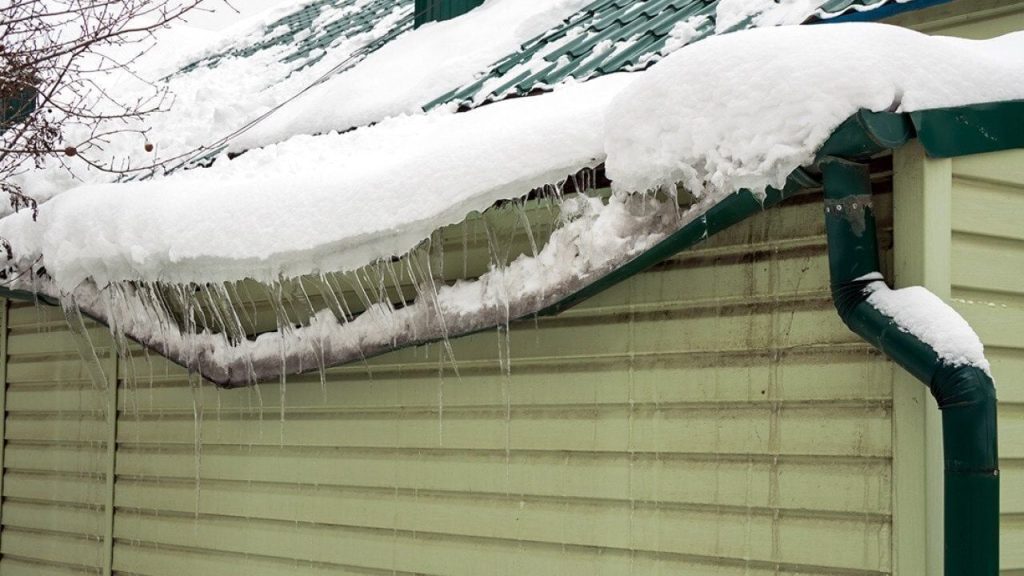
Frozen pipe damage often coincides with other winter hazards that compound overall property damage potential. Ice dams formed from clogged gutters can drive water into homes through roof penetrations, creating moisture problems that exacerbate mold growth when combined with burst pipe water damage. The combination of multiple water intrusion sources accelerates deterioration and increases remediation costs substantially.
Understanding these interconnections helps property owners address winter hazards holistically rather than treating each vulnerability in isolation. Gutter cleaning prevents ice dams that cause roof leaks. Proper grading directs snowmelt away from foundations where it might contribute to basement flooding. Adequate attic insulation reduces heat loss that creates ice dam conditions while also protecting pipes running through attic spaces.
The relationship between exterior ice hazards and interior plumbing protection extends beyond property damage into personal safety considerations. [Winter Slip-and-Fall Hazards: Protecting Your Property and Family from Ice-Related Injuries] addresses the exterior hazards that parallel interior freeze risks during cold weather, providing comprehensive guidance for complete winter property protection.
Long-Term Infrastructure Improvements
Beyond seasonal winterization, property owners should consider permanent improvements that reduce freeze vulnerability for future winters. Adding insulation to attics, basements, and crawl spaces maintains higher temperatures in these areas year-round while reducing heating costs. Relocating vulnerable pipes away from exterior walls eliminates freeze risk more effectively than any seasonal protection measure.
Upgrading to frost-proof outdoor faucets prevents the hose bib failures that cause so many wintertime floods. These specialized fixtures locate shut-off mechanisms inside heated building envelopes, preventing water from remaining in exterior pipe sections where freezing occurs. The modest investment in frost-proof faucet installation eliminates annual winterization requirements for outdoor plumbing while providing permanent protection against freeze damage.
Professional plumbing inspections identify vulnerable pipe locations that homeowners might overlook and recommend targeted improvements prioritized by risk level. Plumbers experienced with local climate conditions understand which pipe configurations present greatest freeze probability and can recommend cost-effective protection strategies appropriate for specific property characteristics.
Pacer Pumps: Your Partner in Water Management Solutions
Pacer Pumps manufactures reliable centrifugal pumps for water transfer applications across residential, agricultural, and industrial settings. Our pumps, molded and assembled in the USA, provide dependable solutions for drainage, irrigation, and water management challenges throughout all seasons.
Our Products Include:
- Centrifugal Pumps – Multiple configurations for diverse water transfer applications including drainage, irrigation, and general water movement
- Electric, gasoline, hydraulic, and hand-operated pump options suited to various operational requirements and power availability situations
Need Water Management Solutions? Contact Pacer Pumps to discuss equipment options for your specific application requirements.
Works Cited
“Preventing and Thawing Frozen Pipes.” American Red Cross, www.redcross.org/get-help/how-to-prepare-for-emergencies/types-of-emergencies/winter-storm/frozen-pipes.html. Accessed 18 Dec. 2025.
“Will My Homeowners Insurance Policy Cover Water Damage From a Burst Pipe?” National Association of Insurance Commissioners, content.naic.org/article/will-my-homeowners-insurance-policy-cover-water-damage-burst-pipe. Accessed 18 Dec. 2025.
Related Articles
- Winter Weather Safety: Essential Home Precautions Before Cold Temperatures Arrive
- Winter Slip-and-Fall Hazards: Protecting Your Property and Family from Ice-Related Injuries