
Pacer Pumps: Dependable Solutions for Water Management
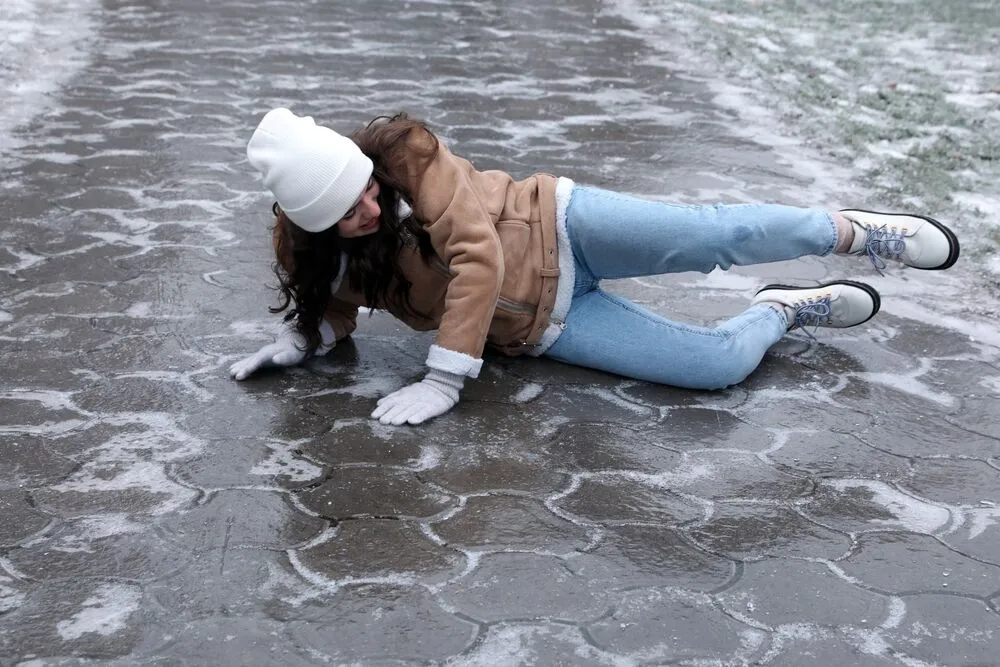
The Centers for Disease Control reports that approximately one million Americans suffer injuries from falling on ice and snow each year, with around 17,000 of these incidents proving fatal. Winter weather creates hazardous conditions throughout residential and commercial properties, transforming ordinary walkways into dangerous surfaces and turning routine activities like retrieving mail or walking to vehicles into serious injury risks. The financial burden extends beyond immediate medical costs into long-term disability expenses, lost wages, and legal liability that property owners face when maintaining reasonably safe premises during winter conditions.
Workplace injury statistics reveal the scale of ice-related accidents with stark clarity that underscores the seriousness of winter slips and falls hazards. Federal data from the Bureau of Labor Statistics shows that 82 percent of winter weather workplace injuries result from same-level falls rather than falls from heights or through surfaces. States with severe winters report incidence rates exceeding 10 injuries per 10,000 full-time workers during significant ice events, with affected workers requiring median recovery periods of one to two weeks away from work and some cases requiring months of rehabilitation.
The hidden nature of many ice hazards compounds their danger beyond what casual observation might suggest. Black ice forms when thin water layers freeze on pavement, creating nearly invisible slick surfaces that appear dry until contact reveals their treacherous nature. Freeze-thaw cycles common during winter transitions repeatedly melt and refreeze moisture, creating increasingly treacherous conditions with each cycle. Areas that appear completely dry may harbor dangerous ice patches, particularly in shadows or on surfaces that retain cold temperatures longer than surrounding areas exposed to direct sunlight.
Gutter Maintenance Prevents Ice Dam Formation
Ice dams represent one of winter’s most winter slips and falls hazards, yet many homeowners neglect the simple maintenance tasks that prevent their formation entirely. The National Weather Service explains that ice dams form when heat escaping through inadequately insulated attics melts snow accumulation on roof surfaces, which then flows downward and refreezes at colder eaves and gutter areas. This repeated cycle builds substantial ice barriers that force water backward under shingles and into home interiors, causing extensive damage to ceilings, walls, insulation, and sometimes electrical systems.
Thorough gutter cleaning before winter eliminates the debris accumulation that traps moisture and accelerates ice formation in drainage systems. Leaves, twigs, pine needles, and other organic materials prevent proper water drainage through gutters and downspouts, creating standing water that freezes and expands within gutter channels. This expansion damages gutter systems while simultaneously preventing the drainage that would otherwise carry meltwater safely away from building foundations.
Damaged gutters should be repaired or replaced before freeze-thaw cycles begin stressing already weakened components. Sagging gutter sections that hold standing water become ice accumulation sites that concentrate damage potential. Separated joints allow water infiltration behind gutter systems where freezing causes fascia board damage. Complete gutter failure during winter storms leaves buildings vulnerable to uncontrolled water runoff that damages foundations and creates dangerous icicle formation.
Keeping gutters and downspouts clear throughout winter slips and falls prevents ice buildup that compounds with each subsequent storm. Snow rakes allow homeowners to safely remove roof snow from ground level without dangerous ladder climbing, reducing the meltwater volume that feeds ice dam formation. Heavy snow accumulation should be removed within days of snowfall to prevent the insulating effect that traps heat and accelerates the melt-freeze cycle at roof edges.
Proper attic insulation and ventilation address the root cause of ice dam formation by minimizing the heat transfer that initiates problematic melting. Attic insulation should achieve R-30 values at minimum, with R-38 preferable in northern climates experiencing extended freezing periods. Adequate ventilation allows cold exterior air to circulate beneath roof sheathing, maintaining consistent temperatures that prevent the differential melting causing ice dam formation.
Driveway and Walkway Ice Management
Proactive ice management on driveways and walkways prevents the accumulation that creates slip-and-fall hazards affecting millions of Americans every winter. Applying ice melt products before storms arrive prevents ice from bonding directly to pavement surfaces, making post-storm clearing far more effective and complete. Pre-treatment reduces the labor required for snow and ice removal while providing better results than reactive treatment alone.
Different ice melt formulations work effectively at different temperature ranges, requiring appropriate product selection based on prevailing and forecast conditions. Sodium chloride (rock salt) works well at temperatures above 15 degrees Fahrenheit but loses effectiveness in extreme cold. Calcium chloride maintains melting action at temperatures well below zero but costs more and may damage some concrete surfaces. Magnesium chloride offers intermediate performance with reduced environmental impact. Understanding product characteristics enables optimal selection for specific conditions.
Physical removal of snow and ice requires proper technique to avoid creating additional hazards while clearing existing ones. Packed snow becomes ice when compressed by foot traffic or vehicle tires, making prompt clearing after snowfall essential before accumulation compacts. Shoveling to bare pavement whenever possible eliminates the base layer that subsequent freezing transforms into dangerous ice sheets resistant to chemical treatment.
Particularly hazardous areas deserve enhanced attention and more frequent maintenance than general walkway surfaces. Steps and ramps present elevated fall risks due to elevation changes combined with slippery surfaces that prevent recovery when balance is lost. Handrails should be cleared of ice and snow to provide reliable grip for users navigating these high-risk areas. Shaded areas receiving limited direct sunlight retain ice longer than sun-exposed surfaces, requiring more aggressive treatment and monitoring.
Areas beneath roof edges where snow slides or meltwater drips create localized ice accumulation requiring targeted treatment separate from general walkway maintenance. These areas may refreeze repeatedly throughout the day as meltwater flows from warming roof surfaces onto cold pavement below. Warning signs or barriers may be appropriate for areas where falling ice or snow poses risks to pedestrians passing beneath roof edges.
For homeowners addressing comprehensive winter preparation including interior hazards alongside exterior ice management, [Winter Weather Safety: Essential Home Precautions Before Cold Temperatures Arrive] provides the complete preparation framework covering all property protection aspects in an integrated approach.
Vehicle Visibility and Winter Driving Preparation
Winter vehicle safety extends beyond mechanical preparation into visibility management that many drivers overlook despite its critical importance. The National Highway Traffic Safety Administration emphasizes that proper windshield clearing prevents accidents caused by obstructed vision that prevents drivers from seeing hazards, pedestrians, and other vehicles. Snow and ice must be completely removed from all windows, mirrors, lights, and license plates before driving begins, as even small visibility restrictions create dangerous blind spots that cause accidents.
Many states have enacted laws requiring complete snow and ice removal from vehicles before operation on public roads. Ice and snow flying from moving vehicles creates hazards for following traffic, potentially crashing through windshields or causing drivers to swerve dangerously. Fines for inadequate vehicle clearing can reach several hundred dollars in some jurisdictions, adding financial consequences to safety risks from incomplete snow removal.
Windshield wiper fluid depletes rapidly during winter storms when continuous clearing is necessary for visibility, making full reservoir levels essential before cold weather arrives. Winter-formula fluids containing de-icer components prevent freezing in lines and reservoirs while providing better ice-cutting performance than standard formulations designed for insect removal and general cleaning. Switching to winter fluid before freezing temperatures arrive prevents the frozen reservoir and line problems that disable wiper systems precisely when they’re needed most.
Worn wiper blades leave streaks and gaps in windshield clearing that create visibility problems during precipitation. Heavy-duty winter wipers designed specifically for ice and snow removal provide superior clearing performance in winter conditions. These specialized blades feature rubber compounds that remain flexible in cold temperatures and designs that prevent ice accumulation on blade surfaces during operation.
Headlight and taillight clearing receives less attention than windshield visibility but affects safety equally during winter driving. Snow-covered headlights dramatically reduce illumination reaching the roadway, limiting driver visibility of hazards ahead. Obscured taillights and brake lights prevent following drivers from recognizing stopped or slowing vehicles, creating rear-end collision risks. Complete vehicle clearing before departure prevents these easily avoided hazards.
Protecting Vulnerable Populations
Winter ice hazards affect some populations more severely than others, requiring additional precautions for elderly family members, young children, and individuals with mobility limitations. Seniors face dramatically elevated fall risks due to balance challenges, reduced reaction time, and bone density loss that makes fractures more likely when falls occur. Hip fractures among elderly individuals frequently trigger cascading health declines that prove fatal within months of injury.
Mobility aids including canes and walkers require rubber tips in good condition to provide reliable traction on potentially slippery surfaces. Some mobility aid users benefit from ice cleats or traction devices that attach to footwear, though these must be removed before entering buildings where they create slip hazards on smooth indoor floors. Accompanying elderly individuals during necessary outdoor travel provides assistance if balance is lost and enables rapid response if falls occur.
Young children lack the experience to recognize ice hazards and the physical development to recover balance when slipping begins. Holding children’s hands during winter walks across potentially icy surfaces provides stability and control that prevents falls. Appropriate footwear with adequate traction protects children during outdoor play in snowy conditions. Supervision during sledding, skating, and other winter activities prevents the injuries that send thousands of children to emergency rooms annually.
Protecting plumbing systems from freeze damage often coincides with exterior ice management timing, as both require action before temperatures drop into dangerous ranges. [Frozen Pipes and Water Damage: Why Billions in Insurance Claims Happen Every Winter] addresses the interior hazards that parallel exterior ice risks during cold weather, enabling property owners to address all winter vulnerabilities through coordinated preparation efforts.
Property Owner Liability Considerations
Property owners face significant legal liability when visitors suffer injuries from ice and snow hazards on their premises. Legal standards require maintaining reasonably safe conditions through prompt snow removal, appropriate ice treatment, and adequate warning of hazards that cannot be immediately eliminated. Failure to meet these standards exposes property owners to personal injury lawsuits seeking compensation for medical expenses, lost wages, pain and suffering, and other damages.
Commercial property owners face heightened standards and greater exposure than residential owners in many jurisdictions. Businesses inviting customers onto premises must provide safe access regardless of weather conditions, often requiring professional snow removal services and 24-hour monitoring during storm events. Insurance policies may require documented maintenance protocols and response timelines as conditions for liability coverage.
Residential property owners typically face less stringent requirements but remain responsible for reasonable maintenance efforts. Sidewalks adjacent to residential properties may be the homeowner’s responsibility or the municipality’s depending on local ordinances. Understanding applicable requirements and maintaining documentation of maintenance efforts provides important legal protection if injuries occur despite reasonable precautions.
Pacer Pumps: Your Partner in Water Management Solutions
Pacer Pumps provides dependable centrifugal pump solutions for water management challenges across residential, agricultural, and industrial applications throughout all seasons. Our products, molded and assembled in the USA, deliver reliable performance for drainage, irrigation, and water transfer needs in demanding conditions.
Our Products Include:
- Centrifugal Pumps – Versatile pump solutions for diverse water management applications including drainage, dewatering, and general transfer operations
- Multiple drive options including electric, gasoline, hydraulic, and hand-operated configurations suited to various power availability situations and operational requirements
Water Management Questions? Contact Pacer Pumps to explore equipment solutions suited to your specific requirements and application challenges.
Works Cited
“42,480 Work Injuries Involved Ice, Sleet, or Snow in 2014.” The Economics Daily, U.S. Bureau of Labor Statistics, 27 Apr. 2016, www.bls.gov/opub/ted/2016/42480-work-injuries-involved-ice-sleet-or-snow-in-2014.htm. Accessed 18 Dec. 2025.
“Preventing Roof Ice Dams.” National Weather Service, National Oceanic and Atmospheric Administration, www.weather.gov/grr/roofIceDams. Accessed 18 Dec. 2025.
“Winter Weather Driving Tips.” National Highway Traffic Safety Administration, U.S. Department of Transportation, www.nhtsa.gov/winter-driving-tips. Accessed 18 Dec. 2025.
Related Articles
- Winter Weather Safety: Essential Home Precautions Before Cold Temperatures Arrive
- Frozen Pipes and Water Damage: Why Billions in Insurance Claims Happen Every Winter