
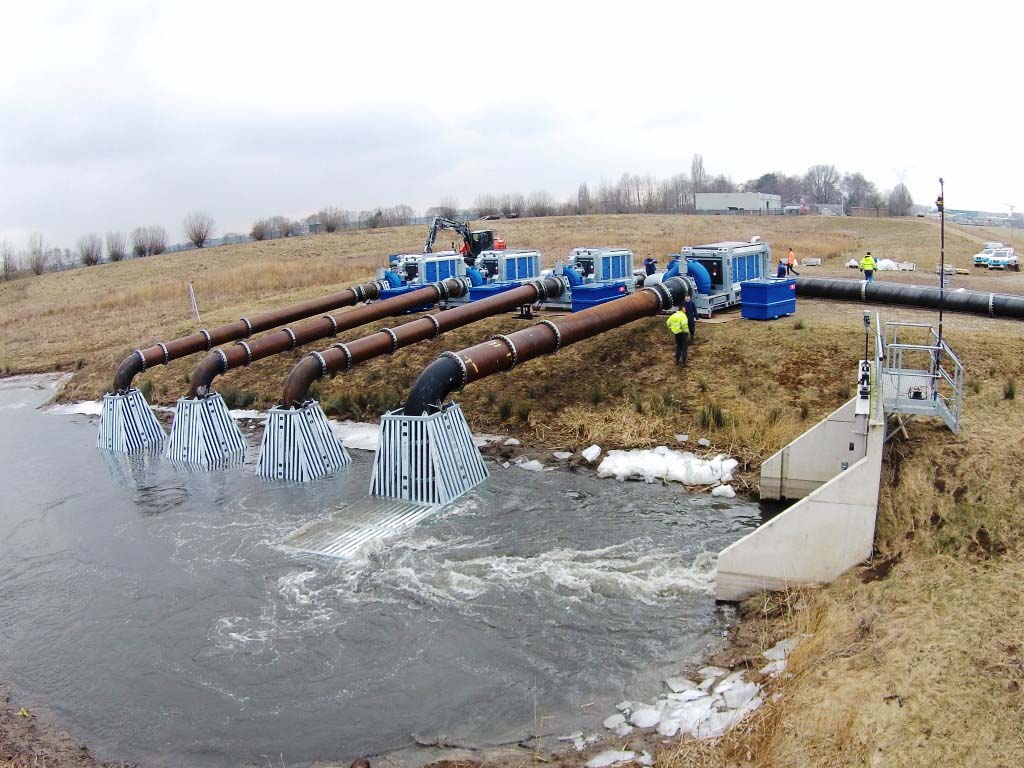
Flooding presents one of the most immediate and devastating threats to properties, businesses, and agricultural operations across the United States. From sudden flash floods caused by severe storms to seasonal flooding from swollen rivers and overwhelmed drainage systems, standing water can cause irreversible damage within hours. Property owners, facility managers, and agricultural operators must be prepared with reliable water removal equipment capable of quickly extracting large volumes of water from threatened areas.
When flood waters threaten your property, having professional-grade pumping equipment ready for immediate deployment can prevent minor flooding from becoming catastrophic damage. Pacer Pumps’ M-Series gasoline engine driven pumps deliver the high-capacity, portable water removal solutions needed to protect valuable assets and restore operations quickly after flood events.
Understanding Modern Flood Risks and Patterns
Climate patterns have intensified flood risks across regions previously considered low-risk for flooding events. Traditional hundred-year flood zones now experience significant flooding multiple times per decade, and areas outside designated flood zones face unexpected inundation from overwhelmed storm water systems and rapid snowmelt events. Urban development has increased impervious surfaces, reducing natural water absorption and creating faster runoff that overwhelms existing drainage infrastructure.
Flash flooding develops with little warning, often catching property owners unprepared for rapid water accumulation. These events can deposit several inches of water in basements, crawl spaces, and ground-level facilities within minutes. The speed of water accumulation leaves no time to secure external pumping services, making on-site equipment availability critical for immediate response.
Seasonal flooding patterns create predictable threats that allow advance preparation and equipment positioning. Spring snowmelt, hurricane season, and winter rain events provide opportunities for proactive flood preparation. Properties in flood-prone areas benefit significantly from advance planning that includes pre-positioned pumping equipment and established water removal protocols.
Critical Flood Response Timing Factors
Water damage accelerates rapidly once flooding begins, with structural damage, mold growth, and equipment failures occurring within hours of initial water intrusion. Immediate water removal minimizes damage and reduces restoration costs significantly. The first 24-48 hours after flooding determine whether damage remains manageable or becomes catastrophic and potentially irreversible.
Electrical systems face immediate danger from standing water, creating safety hazards and equipment damage that extends far beyond water-related issues. Prompt water removal protects electrical infrastructure and prevents secondary damage that often exceeds primary flood damage costs. Quick response also maintains access to electrical power needed for extended pumping operations.
Emergency services become overwhelmed during widespread flooding events, leaving property owners to implement their own water removal strategies. Professional pumping services may be unavailable for days or weeks during major flood events. Self-reliance through private pumping equipment ensures immediate response capability when professional services are unavailable or delayed.
High-Capacity Water Removal Solutions
Gasoline engine driven pumps provide critical advantages for flood response applications where electrical power may be compromised or unavailable. Flooded areas often experience power outages that disable electric pumps precisely when pumping capacity is needed most urgently. Independent operation ensures continued water removal regardless of electrical grid status or power line damage.
Flow rate capacity determines how quickly standing water can be removed from affected areas. High-volume pumps can extract thousands of gallons per hour, dramatically reducing water removal time and minimizing damage exposure. Professional-grade pumps maintain sustained high output over extended periods, enabling complete water removal from large affected areas.
Portability enables rapid deployment to multiple locations as flood conditions change or spread. Wheeled units can be quickly moved between threatened areas, maximizing equipment utilization and response flexibility. The ability to reposition equipment quickly allows property owners to address multiple flood sites with limited pumping resources.
Agricultural Flood Management Strategies
Agricultural operations face unique flood challenges due to the vast areas involved and the critical timing factors affecting crop survival and livestock safety. Field flooding can destroy entire growing seasons within hours, while livestock facilities require immediate water removal to prevent animal health emergencies. Farm operators need pumping solutions capable of handling both emergency water removal and ongoing drainage management.
Drainage system maintenance becomes critical during flood season as clogged or inadequate drainage infrastructure contributes to standing water problems. Pumps capable of clearing drainage systems and moving water away from critical areas help prevent minor flooding from becoming major agricultural disasters. Proactive drainage management reduces flood impact and speeds recovery operations.
Equipment protection requires immediate attention during flood events as agricultural machinery represents significant capital investments that can be destroyed by standing water. Pump-powered water removal from equipment storage areas, maintenance facilities, and processing buildings protects valuable assets and maintains operational capability after flood waters recede.
Basement and Underground Space Protection
Below-grade spaces face the greatest flood risk as water naturally flows to the lowest available areas. Basements, crawl spaces, and underground facilities can fill completely during even moderate flooding events. These confined spaces require specialized pumping approaches that account for limited access, electrical safety concerns, and the need for sustained pumping operations.
Sump pump backup systems provide redundancy when primary drainage systems fail or become overwhelmed. Portable gasoline pumps serve as backup systems that operate independently of electrical power and municipal drainage capacity. These backup systems often mean the difference between minor water intrusion and complete basement flooding.
Access limitations in underground spaces require pumps with sufficient suction lift to operate from ground level while removing water from below-grade areas. Long suction lines and high suction lift capability enable effective water removal without placing equipment in dangerous flooded areas. Remote operation capability protects both equipment and operators during flood response operations.
Commercial and Industrial Flood Response
Commercial facilities face immediate business continuity threats when flooding affects operations, inventory, or customer access. Spring flood preparedness strategies demonstrate how advance planning and proper equipment selection maintain business operations during flood emergencies and accelerate recovery efforts.
Manufacturing operations require rapid water removal to prevent equipment damage and maintain production schedules. Extended downtime during flood recovery can result in lost contracts, missed deliveries, and competitive disadvantages that extend far beyond immediate flood damage costs. Immediate water removal capability helps maintain customer relationships and operational commitments.
Inventory protection becomes critical when flood waters threaten stored products, raw materials, or finished goods. Quick water removal prevents inventory losses that can exceed facility damage costs. Climate-controlled environments require particular attention as standing water can compromise temperature and humidity controls that protect sensitive products.
Pump Selection Criteria for Flood Applications
Flow rate requirements for flood response typically demand maximum water removal capacity to minimize damage exposure time. Pumps selected for flood applications should provide the highest practical flow rates for the available water sources and discharge options. High-volume pumps reduce pumping time and enable rapid response to multiple flood sites.
Suction lift capability determines a pump’s effectiveness in removing water from below-grade areas or when pumps must be positioned away from standing water for safety reasons. Superior suction performance enables flexible pump positioning and effective water removal from confined spaces. Strong suction capability also handles debris-laden flood water more effectively.
Debris handling capability becomes important when flood water contains mud, leaves, and other materials that can clog standard pumps. Pumps designed for dirty water applications maintain operation in flood conditions where clean water pumps would fail. Debris tolerance ensures continued operation throughout flood events without constant maintenance interruptions.
Emergency Deployment and Setup Strategies
Pre-positioned equipment enables immediate response when flood threats develop rapidly. Strategic equipment placement near high-risk areas reduces setup time and ensures availability when access may be limited by rising water. Fixed mounting points with quick-connect fittings streamline emergency deployment procedures.
Multiple discharge options provide flexibility when primary drainage systems become overwhelmed or inaccessible. Long discharge lines enable water removal to distant safe areas when nearby drainage is inadequate. Alternative discharge locations ensure continued operation even when preferred drainage options become unavailable.
Safety protocols during flood operations protect both operators and equipment from electrical hazards, unstable structures, and contaminated water. Proper grounding, safe electrical practices, and contamination prevention measures ensure safe operation during high-stress emergency conditions. Safety preparation prevents accidents that could disable response efforts.
Maintenance and Reliability During Emergencies
Field maintenance capability maintains continued operation during extended flood events when professional service may be unavailable. Basic maintenance skills and spare parts inventory enable operators to address minor issues without interrupting critical pumping operations. Emergency maintenance preparation prevents equipment failures during critical flood response periods.
Fuel management becomes critical during extended flood operations as pumps may need to operate continuously for days. Adequate fuel storage, delivery access, and consumption planning ensure pumps can operate throughout entire flood events. Fuel quality and storage practices maintain starting reliability and operational performance under emergency conditions.
Weather protection preserves equipment performance during the severe weather conditions that often accompany flooding events. Proper storage and operation procedures protect pumps from rain, wind, and temperature extremes that can affect performance. Weather preparedness ensures equipment remains operational throughout entire flood events.
Water Management and Discharge Planning
Discharge location planning prevents removed water from creating additional flooding problems downstream or in adjacent areas. Proper discharge planning considers drainage capacity, neighboring properties, and environmental regulations that affect water disposal options. Strategic discharge planning maximizes pumping effectiveness while preventing secondary flooding issues.
Water contamination considerations affect both pumping equipment selection and discharge location choices. Flood water often contains sewage, chemicals, and other contaminants that require special handling procedures. Contamination awareness protects both equipment and environment while ensuring compliance with disposal regulations.
Flow control and distribution systems enable effective water management when multiple pumps operate simultaneously or when discharge capacity is limited. Proper flow management prevents system overload and maximizes overall water removal efficiency. Coordinated pumping operations handle large-scale flooding more effectively than individual pump deployments.
Integration with Existing Drainage Systems
Storm drain compatibility enables pumps to supplement overwhelmed municipal drainage systems during peak flood conditions. Understanding local drainage capacity and connection options helps maximize pumping effectiveness. Proper integration prevents damage to existing infrastructure while providing emergency drainage capacity.
Utility coordination ensures pumping operations complement rather than interfere with municipal flood response efforts. Communication with local utilities and emergency services prevents conflicts and may provide access to additional resources. Coordinated response efforts improve overall flood management effectiveness.
Permit and regulatory compliance may be required for temporary pumping operations, particularly when discharging to public waterways or storm systems. Understanding local regulations prevents legal issues and ensures continued operation authorization. Compliance planning should be completed before flood emergencies develop.
Cost-Benefit Analysis of Flood Preparedness
Property damage prevention through prompt water removal provides immediate return on pumping equipment investments. Water damage costs escalate rapidly, with basement flooding often exceeding $10,000 in damage within hours. Professional-grade pumping equipment represents a fraction of potential damage costs while providing protection that can prevent total loss.
Business continuity benefits extend beyond immediate damage prevention to include maintained operations, customer relationships, and competitive position. Extended downtime during flood recovery can result in permanent customer loss and market share reduction. Flood preparedness investments protect both physical assets and business relationships.
Insurance considerations may include premium reductions for properties with documented flood preparedness plans and equipment. Some insurance policies require specific response measures to maintain coverage validity. Flood preparedness planning should coordinate with insurance requirements to ensure maximum protection and compliance.
Regional Flood Patterns and Preparation
Seasonal flood timing enables advance preparation and equipment positioning for maximum effectiveness. Spring snowmelt, hurricane season, and winter storm patterns provide predictable preparation windows. Understanding regional flood patterns helps optimize preparation efforts and equipment deployment strategies.
Local drainage limitations affect pumping strategy and equipment requirements for different areas. Urban areas with limited drainage capacity require different approaches than rural areas with natural drainage options. Regional drainage characteristics influence pump selection and deployment planning.
Climate change impacts are altering traditional flood patterns and increasing flood frequency in many areas. Historical flood data may no longer accurately predict future flood risks. Flood preparedness planning should consider changing climate patterns and increased flood frequency projections.
Technology Integration and Monitoring
Remote monitoring capabilities enable flood detection and pump activation before damage occurs. Automated systems can detect rising water levels and activate pumping systems without human intervention. Early detection and automatic response minimize damage and reduce manual monitoring requirements during high-risk periods.
Communication systems ensure coordination between multiple response locations and enable calls for additional assistance when needed. Reliable communication becomes critical during widespread emergencies when normal communication infrastructure may be compromised. Emergency communication planning ensures coordinated response efforts.
Documentation and record keeping support insurance claims and disaster assistance applications. Proper documentation of flood events, response actions, and equipment performance provides evidence for recovery assistance and future preparation improvements. Record keeping also supports maintenance planning and equipment replacement decisions.
Ready to protect your property with professional flood response pumping solutions? Schedule Your Consultation Today to discuss your specific flood preparedness needs and explore the M-Series pump options that provide reliable protection when you need it most.
American-made pump manufacturing excellence ensures your flood response equipment delivers dependable performance during critical emergency situations when equipment failure is not an option.
Emergency Management and Compliance Resources
National Weather Service (NWS) – The National Weather Service provides real-time flood warnings, forecasting, and safety information that enables proactive flood preparedness and response planning. Their flood safety resources and warning systems help property owners prepare for and respond to flood emergencies effectively.
Environmental Protection Agency (EPA) – The EPA offers comprehensive guidance on flood cleanup procedures, water contamination issues, and environmental compliance requirements for flood response operations. Their resources address proper handling of contaminated flood water and environmental protection during emergency pumping operations.
Frequently Asked Questions
What pump capacity do I need for effective flood water removal from my basement? Basement flood removal typically requires pumps capable of 200-800 gallons per minute depending on basement size and flood severity. A 1,000 square foot basement with 2 feet of standing water contains approximately 15,000 gallons that must be removed quickly to prevent structural damage. Higher capacity pumps reduce removal time and minimize damage exposure. Consider total head requirements when pumps must lift water from basement level to ground level discharge points, as this affects actual flow rates significantly.
How do I safely operate pumps in flooded areas with electrical hazards? Flood pump operation requires strict electrical safety protocols including proper grounding, GFCI protection, and safe electrical connections away from standing water. Never operate electrical equipment in direct contact with flood water. Use gasoline engine pumps to avoid electrical hazards entirely, and ensure all connections remain above water level. Establish safe operating areas on higher ground and use long suction hoses to reach flooded areas. Have qualified electricians inspect electrical systems before restoration attempts.
Can flood pumps handle debris-laden water effectively? Quality flood pumps are designed to handle debris-laden water including mud, leaves, and small objects commonly found in flood water. Centrifugal pumps with semi-open impellers provide good debris tolerance while maintaining reasonable efficiency. However, extremely debris-heavy water may require trash pumps specifically designed for solids handling. Regular inspection and cleaning of pump intake screens prevents clogging and maintains performance throughout flood events.
How long can I expect to run pumps during a major flood event? Flood pumping operations may require continuous operation for 12-72 hours depending on flood severity, affected area size, and water inflow rates. Plan for extended operation with adequate fuel supplies, typically 2-5 gallons per hour for gasoline engine pumps. Rotation of equipment and operators may be necessary for extended operations. Monitor equipment performance closely during extended operation and perform basic maintenance as needed to prevent failures during critical periods.
What discharge options work best when storm drains are overwhelmed? When municipal storm drains are overwhelmed, alternative discharge options include natural drainage areas, temporary holding areas, or pumping to higher ground where water can safely flow away from protected areas. Long discharge hoses enable pumping to distant safe areas when nearby drainage is inadequate. Coordinate with local authorities when using public discharge areas and ensure discharge doesn’t create problems for neighboring properties. Consider temporary storage tanks during peak flood periods when all drainage options are limited.