
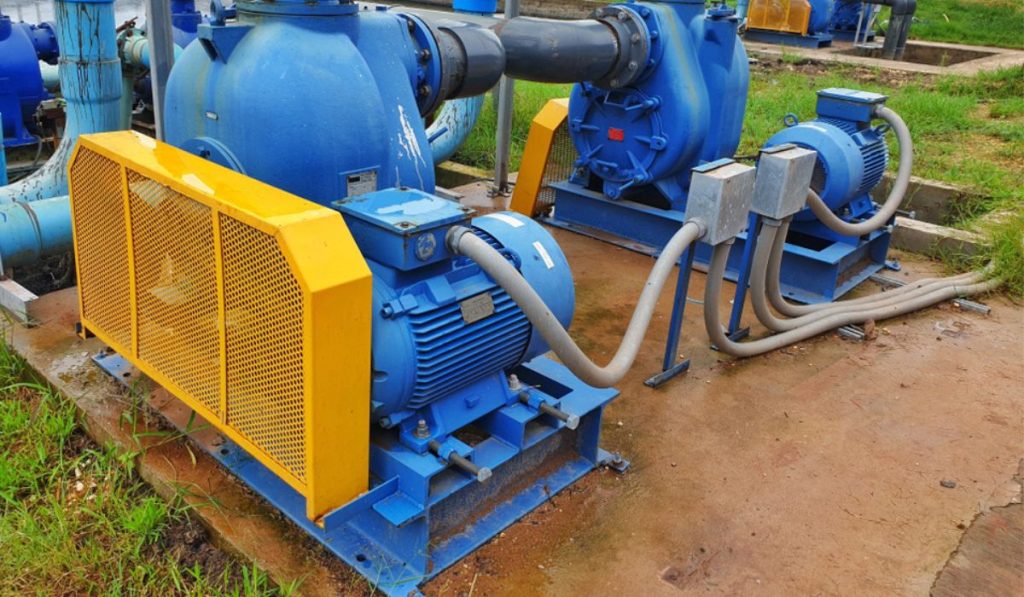
Modern agriculture demands reliable, chemical-resistant equipment that can handle aggressive substances like fertilizers, pesticides, and herbicides without degrading. The development of thermoplastic centrifugal pumps revolutionized agricultural fluid handling by providing durable, corrosion-resistant alternatives to traditional metal pumps. At the forefront of this innovation stands Pacer Pumps, widely recognized as the originator of thermoplastic centrifugal agricultural pump technology.
Since the 1970s, Pacer Pumps has established itself as the industry pioneer by introducing groundbreaking thermoplastic materials to agricultural pump manufacturing. Their S-Series pumps represent decades of innovation in creating self-priming centrifugal pumps specifically engineered for agricultural applications. Today, 80% of Pacer engine-driven pumps serve the agricultural industry, cementing their position as the leader in thermoplastic agricultural transfer pumps.
Revolutionary Materials Science in Agricultural Pumps
The 1970s marked a pivotal moment in agricultural equipment when Pacer Pumps introduced centrifugal pumps constructed from thermoplastics. This represented a significant departure from traditional metal pump construction that frequently failed under harsh chemical exposure. The company pioneered the use of glass-reinforced polyester and other advanced thermoplastic materials that offered superior resistance to corrosion and abrasion.
Traditional metal pumps faced constant challenges when exposed to agricultural chemicals. Fertilizers, pesticides, and herbicides created corrosive environments that degraded metal components, leading to frequent repairs and replacements. Pacer’s innovative use of thermoplastics addressed these critical issues by providing chemical resistance that metal simply could not match.
The material science breakthrough went beyond simple chemical resistance. Thermoplastic construction offered lighter weight compared to metal alternatives, making pumps easier to transport and install. The materials maintained structural integrity under pressure while providing extended service life in demanding agricultural environments.
Development of the Groundbreaking S-Series
Pacer’s S-Series self-priming centrifugal pump emerged during this revolutionary period as one of the first pumps to leverage thermoplastic materials specifically for agricultural tasks. The S-Series combined durability, lightweight construction, and high performance, setting new standards for agricultural pump design.
The self-priming capability proved particularly valuable for agricultural applications where pumps needed to start quickly without manual priming. This feature reduced operational complexity and improved reliability during critical agricultural timing windows. The S-Series design allowed for efficient water and fluid management that was revolutionary for its time.
Engineering excellence drove every aspect of S-Series development. The pumps featured optimized impeller designs that enhanced performance in agricultural environments. Corrosion-resistant materials ensured consistent operation even when handling aggressive chemical mixtures. The combination of these innovations created pumps that farmers could depend on for irrigation and chemical transfer applications.
Performance characteristics of the S-Series established benchmarks that competitors still strive to meet. The pumps delivered consistent flow rates, maintained efficiency over extended periods, and required minimal maintenance compared to metal alternatives. This reliability proved crucial for agricultural operations where equipment failure could impact entire growing seasons.
Market Leadership Through Innovation and Patents
Pacer Pumps established market leadership by securing patents on key aspects of their thermoplastic pump designs. These patents protected innovations in pump construction, including the use of corrosion-resistant materials and optimized impeller designs that enhanced performance in agricultural environments. This intellectual property portfolio solidified Pacer’s position as the originator of thermoplastic agricultural pump technology.
Patent protection allowed Pacer to maintain competitive advantages while continuing to innovate. The company invested heavily in research and development, leading to continuous improvements in thermoplastic formulations and pump design. This commitment to innovation ensured that Pacer pumps remained at the forefront of agricultural pump technology.
Patent protection covered multiple aspects of pump design and manufacturing. Protection included material compositions, manufacturing processes, and specific design features that improved pump performance. This comprehensive approach prevented competitors from copying key innovations while establishing Pacer as the definitive source for thermoplastic agricultural pumps.
Market recognition followed quickly as agricultural professionals recognized the superior performance of Pacer’s thermoplastic pumps. Industry publications highlighted the advantages of thermoplastic construction, further establishing Pacer’s reputation as an innovator. The company’s early adoption of thermoplastics influenced entire industry standards for agricultural pump manufacturing.
Widespread Industry Adoption and Recognition
Over decades, Pacer’s thermoplastic centrifugal pumps gained widespread acceptance in agriculture due to their reliability and versatility. Farmers and agribusinesses adopted these pumps for diverse applications, from irrigation systems to chemical spraying equipment. This broad adoption reinforced Pacer’s reputation as the pioneer in thermoplastic agricultural pump technology.
Agricultural operations discovered numerous advantages when switching from metal to thermoplastic pumps. Chemical resistance eliminated the corrosion problems that plagued metal pumps when handling fertilizers and pesticides. Lighter weight simplified installation and maintenance procedures. Superior durability reduced downtime and replacement costs.
The versatility of Pacer’s thermoplastic pumps enabled their use across multiple agricultural sectors. Crop production facilities relied on these pumps for irrigation and chemical application. Livestock operations used them for feeding systems and waste management. Specialty agricultural operations found thermoplastic pumps ideal for handling unique chemical mixtures.
Industry sources consistently highlight Pacer’s role in introducing thermoplastics to agricultural pump manufacturing. This recognition stems from their long-standing market presence since the 1960s and continuous innovation in thermoplastic technology. The company’s influence extends beyond their own products to shape industry standards and competitor offerings.
Modern agricultural practices depend heavily on reliable fluid handling equipment. Pacer’s comprehensive guide to S-Series pumps demonstrates the extensive applications these innovative pumps serve across diverse agricultural operations.
Continuous Innovation and Technology Advancement
Pacer’s commitment to refining thermoplastic pump technology extends far beyond their initial innovations. The company continuously integrates new materials and design improvements to enhance pump performance. Recent developments include incorporating stainless steel components for added durability in specific applications while maintaining the core advantages of thermoplastic construction.
The development of specialized series like the I-Series for chemical transfer showcases Pacer’s ongoing innovation. These specialized pumps address specific agricultural needs that emerged as farming practices evolved. Chemical transfer applications require pumps with enhanced chemical resistance and precise flow control capabilities.
Advanced manufacturing techniques enable Pacer to produce thermoplastic pumps with tighter tolerances and improved performance characteristics. Modern molding processes create pump components with consistent quality and enhanced durability. These manufacturing improvements translate directly to better field performance and longer service life.
Research and development efforts focus on emerging agricultural challenges. Climate change impacts require pumps that can handle variable conditions and new chemical formulations. Precision agriculture demands pumps with enhanced control capabilities and integration with modern farming systems.
Impact on Modern Agricultural Operations
The influence of Pacer’s thermoplastic pump innovations reaches throughout modern agriculture. Today’s farming operations rely heavily on chemical-resistant pumps for fertilizer application, pesticide spraying, and irrigation management. The reliability and performance of thermoplastic pumps enable precision agriculture techniques that maximize crop yields while minimizing environmental impact.
Chemical application systems in modern agriculture depend on pumps that can handle complex chemical mixtures without degradation. Thermoplastic construction ensures consistent performance when transferring liquid fertilizers, herbicides, and pesticides. This reliability proves critical for maintaining precise application rates and timing.
Irrigation systems benefit significantly from the lightweight and corrosion-resistant properties of thermoplastic pumps. Mobile irrigation equipment can incorporate more pumps without exceeding weight limits. Fixed irrigation systems experience longer service life and reduced maintenance requirements when using thermoplastic pumps.
The versatility of Pacer’s pump designs enables their integration into diverse agricultural systems. Understanding the versatile solutions that S-Series pumps provide reveals how these innovations support everything from small-scale specialty farming to large commercial agricultural operations.
Environmental and Safety Considerations
Thermoplastic pump technology contributes significantly to environmental protection and worker safety in agricultural operations. Chemical-resistant materials prevent pump degradation that could lead to leaks or contamination. This reliability ensures that agricultural chemicals remain contained within designed systems, protecting soil and water resources.
Worker safety improves when using thermoplastic pumps due to reduced maintenance requirements and improved reliability. Fewer pump failures mean less exposure to hazardous chemicals during repair operations. The lightweight construction of thermoplastic pumps reduces physical strain during installation and maintenance procedures.
Chemical compatibility ensures that thermoplastic pumps do not react with agricultural chemicals in ways that could create safety hazards. Metal pumps sometimes produce galvanic reactions or create pressure buildups when exposed to certain chemicals. Thermoplastic materials eliminate these risks through their chemical inertness.
Environmental regulations increasingly focus on preventing chemical spills and contamination from agricultural operations. Thermoplastic pumps help farmers comply with these regulations by providing reliable containment and transfer of agricultural chemicals. The durability of these pumps reduces the likelihood of equipment failure that could result in environmental incidents.
Technical Specifications and Performance Advantages
Modern thermoplastic agricultural pumps incorporate advanced engineering principles that optimize performance for agricultural applications. Self-priming capabilities eliminate the need for external priming systems, simplifying installation and operation. Flow rates range from small specialty applications to high-volume irrigation and chemical transfer systems.
Pressure ratings of thermoplastic pumps match or exceed those of metal alternatives while maintaining lighter weight. Advanced thermoplastic formulations provide tensile strength and impact resistance comparable to metals. These materials maintain performance characteristics across wide temperature ranges typical in agricultural environments.
Chemical compatibility charts for modern thermoplastic pumps include hundreds of agricultural chemicals, fertilizers, and pesticides. This extensive compatibility ensures that farmers can confidently select pumps for specific applications without concerns about chemical degradation. Compatibility testing follows rigorous industry standards to verify long-term performance.
Efficiency ratings of thermoplastic pumps compare favorably to metal alternatives across typical agricultural operating conditions. Smooth internal surfaces reduce friction losses and improve flow characteristics. Optimized impeller designs maximize hydraulic efficiency while minimizing power requirements.
Integration with Modern Agricultural Systems
Contemporary agricultural operations increasingly rely on integrated systems that combine pumps with monitoring and control technologies. Thermoplastic pumps integrate effectively with precision agriculture systems that require accurate flow measurement and remote monitoring capabilities. Electronic controls and sensors work seamlessly with thermoplastic pump housings.
Automated chemical application systems depend on pumps that provide consistent performance under variable operating conditions. Thermoplastic pumps maintain flow characteristics across different chemical viscosities and temperatures. This consistency allows precise application rates that optimize crop health and minimize chemical usage.
Mobile agricultural equipment benefits from the lightweight properties of thermoplastic pumps. Mobile agricultural equipment can incorporate more pumping capacity without exceeding vehicle weight limits. This flexibility allows larger tank capacities and longer operating ranges.
Data collection systems in modern agriculture monitor pump performance to optimize operations and predict maintenance needs. Thermoplastic pumps provide consistent baseline performance that simplifies data interpretation. The reliability of these pumps reduces false alarms and maintenance notifications in monitoring systems.
Economic Benefits for Agricultural Operations
The total cost of ownership for thermoplastic pumps consistently proves lower than metal alternatives in agricultural applications. Initial purchase prices remain competitive while operating costs decrease due to reduced maintenance requirements. Chemical resistance eliminates the replacement costs associated with corrosion damage in metal pumps.
Downtime costs in agriculture can be substantial, particularly during critical planting or harvesting periods. Thermoplastic pumps reduce unplanned downtime through improved reliability and durability. When maintenance is required, the lightweight construction simplifies repair procedures and reduces labor costs.
Energy efficiency of thermoplastic pumps translates to lower operating costs over the pump’s service life. Smooth internal surfaces and optimized hydraulic designs reduce power requirements compared to many metal pump designs. These efficiency gains compound over years of operation to provide significant cost savings.
Inventory management becomes simpler when using thermoplastic pumps due to their versatility across multiple applications. Farms can standardize on fewer pump models while still meeting diverse fluid handling requirements. This standardization reduces spare parts inventory and simplifies maintenance procedures.
Quality Control and Manufacturing Standards
Manufacturing quality control for thermoplastic agricultural pumps follows rigorous standards that ensure consistent performance and reliability. Advanced molding processes create pump components with precise tolerances and uniform material properties. Quality testing includes pressure testing, chemical compatibility verification, and performance validation.
Material selection for thermoplastic pumps involves extensive testing and validation procedures. Raw material specifications ensure consistent chemical resistance and mechanical properties. Batch testing verifies that each production run meets established quality standards for agricultural applications.
Performance testing of finished pumps validates hydraulic efficiency, pressure ratings, and operational characteristics. Flow testing ensures that pumps meet published performance curves across their operating range. Endurance testing simulates years of agricultural use to verify long-term reliability.
Certification processes for agricultural pumps include compliance with industry standards and safety regulations. Third-party testing validates performance claims and safety characteristics. These certifications provide farmers with confidence in pump selection and performance expectations.
Future Developments in Thermoplastic Pump Technology
Ongoing research in thermoplastic materials continues to improve pump performance and expand application possibilities. New polymer formulations offer enhanced chemical resistance, improved temperature stability, and increased mechanical strength. These advances allow thermoplastic pumps to handle more demanding agricultural applications.
Smart pump technologies integrate sensors and communication capabilities directly into thermoplastic pump designs. These developments enable real-time monitoring of pump performance, chemical flow rates, and system pressures. Integration with farm management systems provides comprehensive oversight of fluid handling operations.
Additive manufacturing techniques show promise for producing custom thermoplastic pump components. This technology could enable rapid prototyping of specialized pump designs and cost-effective production of replacement parts. Customization capabilities would allow pumps to be optimized for specific agricultural applications.
Sustainability initiatives drive development of thermoplastic materials from renewable sources. Bio-based polymers maintain the chemical resistance and performance characteristics required for agricultural applications while reducing environmental impact. These materials align with agriculture’s increasing focus on sustainability and environmental stewardship.
Selecting the Right Thermoplastic Pump for Agricultural Applications
Proper pump selection requires careful consideration of specific application requirements, including chemical compatibility, flow rates, and pressure needs. Agricultural chemicals vary widely in their corrosive properties and handling requirements. Thermoplastic pumps offer solutions for virtually all agricultural fluid handling applications when properly selected.
Flow requirements depend on application type, system design, and operational parameters. Irrigation systems require different flow characteristics than chemical transfer applications. Understanding these requirements helps with selection of pumps with optimal performance characteristics for specific agricultural operations.
Installation considerations include available space, power requirements, and system integration needs. Thermoplastic pumps offer flexibility in installation due to their lightweight construction and chemical resistance. Proper installation provides optimal performance and service life in agricultural environments.
Maintenance planning should consider the operational demands of agricultural applications and seasonal usage patterns. Thermoplastic pumps require less maintenance than metal alternatives but benefit from regular inspection and preventive care. Proper maintenance increases service life and provides reliable operation during critical agricultural periods.
Ready to experience the reliability and performance advantages of industry-leading thermoplastic agricultural pumps? Schedule Your Consultation Today to discover how Pacer’s innovative pump solutions can optimize your agricultural operations.
Industry Standards and Compliance
Modern agricultural operations must comply with numerous federal and state regulations governing chemical handling, environmental protection, and worker safety. EPA agricultural chemical handling regulations establish comprehensive requirements for the safe use, storage, and application of pesticides and fertilizers in farming operations. These regulations emphasize the importance of using properly designed equipment that prevents chemical spills and ensures worker protection during application procedures.
OSHA agricultural equipment safety standards provide detailed requirements for agricultural machinery and equipment used in farming operations. These standards address proper guarding, maintenance procedures, and operational safety protocols that protect workers from hazards associated with agricultural equipment. Compliance with OSHA standards helps agricultural pumps and related equipment meet established safety requirements for worker protection.
Frequently Asked Questions
What makes Pacer Pumps the originator of thermoplastic centrifugal agricultural pump technology?
Pacer Pumps earned this distinction by introducing thermoplastic materials to agricultural pump manufacturing in the 1970s, when metal pumps dominated the market. Their pioneering use of glass-reinforced polyester and other thermoplastics addressed critical problems with chemical corrosion that plagued traditional metal pumps. The company secured patents on key innovations in thermoplastic pump design and established the S-Series as the first self-priming centrifugal pumps specifically engineered for agricultural chemical handling. Their continuous innovation and market leadership since the 1960s solidifies their position as the industry pioneer.
How do thermoplastic pumps compare to metal pumps in agricultural applications?
Thermoplastic pumps offer superior chemical resistance compared to metal pumps, making them ideal for handling aggressive agricultural chemicals like fertilizers, pesticides, and herbicides. They provide lighter weight construction that simplifies installation and maintenance while maintaining comparable pressure ratings and flow capacities. Thermoplastic materials eliminate corrosion problems that frequently affect metal pumps, resulting in longer service life and reduced maintenance costs. The chemical inertness of thermoplastics prevents galvanic reactions and pressure buildups that can occur with certain chemical combinations in metal systems.
What percentage of Pacer’s engine-driven pumps serve the agricultural industry?
Today, 80% of Pacer engine-driven pumps are used in the agricultural industry, demonstrating the company’s strong focus on serving agricultural fluid handling needs. This high percentage reflects decades of product development specifically tailored to agricultural applications and the widespread adoption of Pacer pumps across diverse farming operations. The company’s specialization in agricultural markets has driven continuous innovation in thermoplastic pump technology to meet evolving farming requirements.
What specific applications do Pacer S-Series pumps serve in agriculture?
Pacer S-Series pumps serve numerous agricultural applications including irrigation systems, chemical transfer operations, fertilizer application, pesticide spraying, and liquid handling for livestock operations. Their self-priming capability makes them particularly valuable for mobile agricultural equipment and installations where manual priming would be impractical. The chemical resistance of thermoplastic construction enables safe handling of various agricultural chemicals without degradation. Versatility allows these pumps to adapt to different agricultural sectors from crop production to specialty farming operations.
How do thermoplastic agricultural pumps contribute to environmental protection and worker safety?
Thermoplastic pumps enhance environmental protection by providing reliable chemical containment that prevents leaks and spills during agricultural chemical handling. Their chemical resistance ensures that pump materials do not degrade when exposed to fertilizers and pesticides, maintaining system integrity over extended periods. Worker safety improves through reduced maintenance requirements and elimination of toxic corrosion products that can form with metal pumps. The lightweight construction reduces physical strain during installation and maintenance procedures, while chemical compatibility prevents dangerous reactions that could create safety hazards.