
Proactive equipment management represents the difference between costly emergency repairs and smooth, uninterrupted operations. For businesses and agricultural operations that depend on reliable water transfer and pumping systems, implementing comprehensive preemptive measures protects against unexpected failures, reduces operational costs, and maintains productivity during critical periods. Forward-thinking operators recognize that preventing problems costs significantly less than addressing emergencies after they develop.
Modern pumping applications demand consistent performance across diverse operating conditions, from seasonal agricultural demands to year-round industrial processes. Pacer Pumps’ M-Series gasoline engine driven pumps provide the robust foundation for proactive maintenance programs that maximize equipment life, minimize downtime, and deliver reliable performance when operations cannot afford interruptions.
Understanding Preventive Maintenance Philosophy
Preventive maintenance shifts operational focus from reactive problem-solving to strategic equipment management. This approach identifies potential issues before they cause operational disruptions, allowing planned maintenance during convenient periods rather than emergency repairs during critical operations. The cost savings from prevented failures often exceed the investment in preventive programs within the first year of implementation.
Equipment reliability improves dramatically when operators address wear patterns, lubrication needs, and component replacement on scheduled intervals rather than waiting for failures. Systematic maintenance prevents small issues from developing into major problems that require extensive repairs or complete equipment replacement. This proactive approach maintains consistent performance and extends equipment life significantly.
Predictable maintenance schedules enable better resource planning, inventory management, and operational coordination. Known maintenance windows allow operations to plan around equipment availability rather than dealing with unexpected downtime that disrupts production schedules and customer commitments. Planned maintenance also allows for better coordination with service providers and parts suppliers.
Seasonal Preparation and Equipment Readiness
Seasonal equipment preparation addresses the changing demands and operating conditions that affect pump performance throughout the year. Different seasons present unique challenges including temperature variations, debris levels, and usage intensity that require specific preparation measures. Advance preparation prevents seasonal issues from disrupting operations when equipment demands peak.
Spring preparation focuses on equipment inspection after winter storage, addressing any deterioration that occurred during dormant periods. This includes checking fuel systems, lubricants, seals, and connections that may have been affected by temperature changes or extended storage. Early spring preparation identifies issues before busy seasons begin and allows time for proper repairs.
Fall preparation emphasizes protecting equipment from winter conditions and preparing for extended storage periods. This includes fuel stabilization, proper drainage, corrosion prevention, and storage preparation that prevents damage during inactive periods. Proper fall preparation maintains equipment condition and reduces spring startup issues.
Systematic Inspection and Monitoring Programs
Regular inspection schedules identify developing issues before they affect performance or cause failures. Structured inspection programs check specific components on predetermined intervals, creating documentation that tracks equipment condition over time. These records help identify patterns and predict when components may require attention or replacement.
Performance monitoring tracks operational parameters that indicate equipment health and efficiency. Changes in flow rates, pressure output, fuel consumption, or operating temperatures can signal developing problems that require attention. Early detection through monitoring allows addressing issues during convenient maintenance periods rather than during emergency situations.
Component wear tracking helps predict replacement needs and plan maintenance activities. Knowledge of normal wear patterns for different components enables proactive replacement before failures occur. This approach prevents unexpected breakdowns and allows better inventory planning for replacement parts and maintenance supplies.
Fuel System Management and Quality Control
Fuel quality management prevents many common pump failures related to contaminated or degraded fuel supplies. Poor fuel quality causes starting problems, performance issues, and component damage that can disable equipment when reliability is most important. Systematic fuel management maintains engine performance and prevents fuel-related failures.
Fuel storage practices significantly affect fuel quality and equipment reliability. Proper storage containers, fuel rotation schedules, and contamination prevention measures maintain fuel quality over extended periods. Clean, fresh fuel prevents carburetor problems, fuel line blockages, and engine performance issues that commonly affect gasoline-powered equipment.
Fuel system cleaning and maintenance prevents deposits and contamination from affecting engine performance. Regular filter replacement, fuel line inspection, and carburetor maintenance keep fuel systems operating efficiently. Clean fuel systems start reliably, run smoothly, and deliver consistent power output throughout their operating life.
Lubrication Management and Oil Analysis
Proper lubrication management extends equipment life and prevents premature wear that leads to costly repairs or replacement. Different operating conditions require specific lubrication schedules and oil specifications that match equipment demands and environmental conditions. Systematic lubrication management maintains equipment performance and reliability.
Oil analysis programs provide detailed information about equipment condition and lubrication effectiveness. Regular oil sampling identifies developing problems, contamination issues, and component wear before they cause failures. Oil analysis results guide maintenance decisions and help optimize lubrication schedules for specific operating conditions.
Lubrication schedules must account for operating intensity, environmental conditions, and equipment specifications. Heavy-duty applications require more frequent lubrication than intermittent use, and harsh environments may demand specialized lubricants or shortened intervals. Proper scheduling maintains protection without unnecessary maintenance costs.
Parts Inventory and Supply Chain Management
Strategic parts inventory reduces downtime by providing immediate access to commonly needed replacement components. Effective inventory management balances carrying costs against the risk of extended downtime waiting for parts delivery. Critical components that could cause extended outages deserve priority in inventory planning and supplier relationships.
Supplier relationships become important for specialized components or emergency parts needs. Establishing relationships with reliable suppliers provides access to technical support, expedited delivery, and quality components when needed. Multiple supplier sources provide backup options when primary suppliers cannot meet urgent requirements.
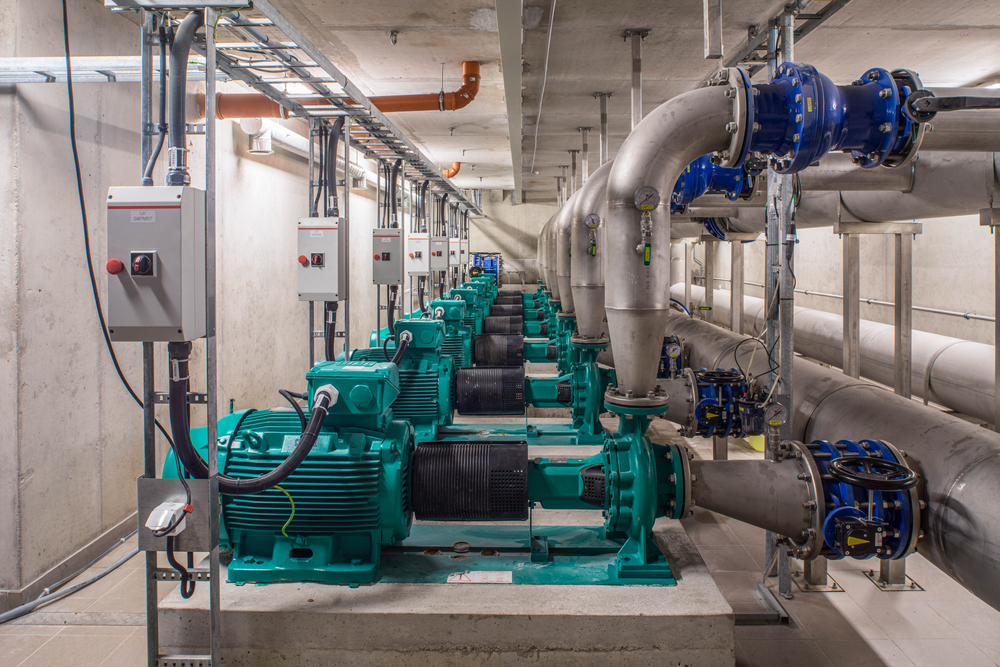
Professional equipment servicing capabilities demonstrate how proper maintenance and parts management contribute to reliable industrial operations that meet demanding performance requirements consistently.
Critical spare parts inventory should include components with high failure rates, long lead times, or those that could cause extended downtime if unavailable. Common items include filters, belts, spark plugs, seals, and wear components specific to each pump model. Inventory should also include basic tools and supplies needed for routine maintenance and minor repairs.
Training and Competency Development
Operator training reduces equipment damage caused by improper operation or maintenance procedures. Well-trained operators recognize developing problems, perform routine maintenance correctly, and operate equipment within design parameters. Training investments pay dividends through reduced failures, extended equipment life, and improved operational efficiency.
Maintenance competency development enables operators to perform routine servicing and basic repairs without external service calls. Basic maintenance skills include lubrication, filter replacement, belt adjustment, and routine inspections that keep equipment operating properly. Competent operators identify when professional service is needed versus issues they can address independently.
Documentation and record-keeping skills help operators track maintenance activities, identify patterns, and plan future maintenance needs. Proper records support warranty claims, help troubleshoot recurring issues, and provide information needed for informed replacement decisions. Good documentation also helps new operators understand equipment history and maintenance requirements.
Technology Integration for Proactive Management
Modern monitoring technology enables remote tracking of equipment performance and automated alerts for maintenance needs. Digital monitoring systems can track operating hours, performance parameters, and maintenance schedules, providing automated reminders and performance trend analysis. Technology integration reduces the administrative burden of maintenance management.
Predictive maintenance technologies analyze equipment data to predict when components may fail or require attention. These systems identify patterns in vibration, temperature, pressure, and other parameters that indicate developing problems. Predictive maintenance enables more precise maintenance timing and reduces unnecessary preventive maintenance.
Remote monitoring capabilities allow equipment tracking across multiple locations or during unattended operation. Remote systems can alert operators to performance changes, maintenance needs, or operational issues that require attention. This capability is particularly valuable for equipment operating in remote locations or during extended autonomous operation.
Cost-Benefit Analysis of Preventive Programs
Preventive maintenance programs typically reduce total equipment ownership costs through extended equipment life, reduced repair costs, and improved operational reliability. The investment in preventive maintenance pays returns through avoided emergency repairs, reduced downtime costs, and improved equipment performance. Most programs show positive returns within one to two years of implementation.
Downtime cost analysis helps justify preventive maintenance investments by quantifying the true cost of equipment failures. Downtime costs include lost production, emergency repair premiums, expedited parts costs, and potential customer impact. Understanding these costs helps establish appropriate preventive maintenance budgets and priorities.
Equipment replacement deferral represents a significant benefit of effective preventive maintenance programs. Well-maintained equipment operates reliably for extended periods, deferring capital investments in replacement equipment. Extended useful life achieved through preventive maintenance often exceeds the total investment in maintenance programs.
Environmental and Operating Condition Considerations
Harsh operating environments require more intensive preventive maintenance to address accelerated wear and contamination issues. Dusty conditions, extreme temperatures, high humidity, and corrosive environments all affect equipment life and maintenance requirements. Environmental factors must be considered in maintenance planning and scheduling.
Seasonal operating patterns affect maintenance timing and requirements for equipment used intensively during specific periods. Agricultural applications may require intensive preparation before planting or harvest seasons, with extended maintenance periods during off-seasons. Knowledge of usage patterns helps optimize maintenance timing and resource allocation.
Storage conditions during inactive periods significantly affect equipment condition and reliability when returned to service. Proper storage preparation prevents deterioration and reduces startup issues after extended storage. Storage preparation includes fuel treatment, lubrication, corrosion prevention, and environmental protection.
Quality Control and Performance Standards
Performance benchmarking establishes standards for acceptable equipment performance and identifies when maintenance or repair is needed. Baseline performance measurements provide reference points for ongoing performance monitoring and help identify gradual performance degradation that might otherwise go unnoticed.
Quality control procedures verify that maintenance activities are completed properly and achieve desired results. Standardized procedures and checklists help maintain consistency across different operators and ensure important steps are not overlooked. Quality control also includes verification testing after maintenance to confirm proper operation.
Continuous improvement processes use maintenance data and performance trends to refine maintenance procedures and schedules. Analysis of failure patterns, maintenance effectiveness, and cost data helps optimize maintenance programs over time. Continuous improvement ensures programs remain effective and cost-efficient as equipment ages and operating conditions change.
Regulatory Compliance and Safety Management
Safety compliance requirements affect maintenance procedures and documentation for equipment operating in regulated environments. Knowledge of applicable safety regulations helps develop maintenance procedures that maintain compliance and protect personnel. Safety considerations include lockout procedures, confined space entry, and hazardous material handling.
Environmental compliance may require specific maintenance procedures or documentation for equipment that could affect environmental quality. Leak prevention, containment, and proper disposal of maintenance materials are important considerations. Environmental compliance requirements vary by location and application, requiring careful attention to applicable regulations.
Insurance requirements may specify maintenance standards or procedures that affect coverage validity. Knowledge of insurance requirements helps develop maintenance programs that maintain coverage and may qualify for reduced premiums. Some insurance policies require specific maintenance documentation or professional inspections.
Documentation and Record Management
Maintenance records provide documentation needed for warranty claims, insurance purposes, and regulatory compliance. Comprehensive records track all maintenance activities, parts replacements, and performance measurements over equipment life. Good records also help identify patterns and plan future maintenance needs.
Digital record keeping enables better data analysis and easier access to historical information. Electronic records can be searched, analyzed, and shared more easily than paper records. Digital systems also enable automated scheduling and reminder systems that help maintain consistent maintenance timing.
Record retention policies balance information value against storage costs and administrative burden. Important records include warranty information, major repairs, performance trends, and safety-related maintenance. Awareness of which records provide ongoing value helps develop appropriate retention and storage policies.
Ready to implement a comprehensive preventive maintenance program that protects your pumping investment? Schedule Your Consultation Today to discuss your specific operational needs and develop a customized maintenance strategy that maximizes equipment reliability and minimizes operational risks.
Winter preparation strategies for agricultural operations demonstrate how seasonal planning and proper equipment preparation maintain productivity and reliability throughout challenging operating conditions.
Maintenance Standards and Best Practices Resources
Occupational Safety and Health Administration (OSHA) – OSHA provides comprehensive safety standards and guidelines for equipment maintenance procedures, lockout/tagout requirements, and workplace safety practices that apply to pump maintenance operations. Their resources help develop safe maintenance procedures that protect personnel and maintain regulatory compliance.
Environmental Protection Agency (EPA) – The EPA offers guidance on environmental compliance requirements for equipment maintenance, including proper handling and disposal of lubricants, fuels, and other maintenance materials. Their regulations address spill prevention, containment, and environmental protection during maintenance activities.
Frequently Asked Questions
How often should I perform preventive maintenance on my gasoline engine pumps? Preventive maintenance frequency depends on operating conditions and usage intensity. Most gasoline engine pumps benefit from monthly inspections during active use, with more detailed maintenance every 50-100 operating hours. Heavy-duty applications may require more frequent attention, particularly in dusty or harsh environments. Key maintenance activities include checking oil levels weekly, changing oil every 50 hours or annually, replacing air filters every 100 hours, and inspecting fuel systems monthly. Develop a schedule based on manufacturer recommendations and your specific operating conditions.
What spare parts should I keep in inventory for emergency repairs? Critical spare parts inventory should include items with high failure rates or long lead times. Stock spark plugs, air filters, fuel filters, oil, belts, and basic gaskets for your specific pump models. Include common wear items like impeller components and mechanical seals if your application involves abrasive materials. Keep basic tools and supplies needed for routine maintenance and minor repairs. The exact inventory depends on your equipment models, operating conditions, and proximity to suppliers. Plan for parts that could cause extended downtime if unavailable.
How do I know when equipment performance indicates maintenance needs? Performance indicators include reduced flow rates, increased fuel consumption, difficulty starting, unusual noises, or vibration changes. Establish baseline performance measurements when equipment is new or after major service, then monitor for changes over time. Flow rate reductions of 10-15% often indicate impeller wear or system restrictions. Increased fuel consumption may signal engine problems or increased system resistance. Document performance measurements regularly to identify gradual changes that might otherwise go unnoticed.
What fuel management practices prevent engine problems? Proper fuel management includes using fresh fuel, adding stabilizer for extended storage, and rotating fuel supplies regularly. Store fuel in clean, approved containers away from contaminants and temperature extremes. Replace fuel filters according to manufacturer schedules and inspect fuel lines for deterioration. Use ethanol-free gasoline when possible, as ethanol can cause carburetor problems and fuel system damage. During seasonal storage, either drain fuel systems completely or fill tanks and add stabilizer to prevent fuel degradation and system contamination.
How can I develop operator training programs for better equipment care? Effective operator training covers proper starting procedures, operational limits, routine maintenance tasks, and problem recognition. Create written procedures and checklists for standard operations and maintenance activities. Include hands-on training for routine maintenance like oil changes, filter replacement, and basic adjustments. Train operators to recognize warning signs like unusual noises, performance changes, or visible wear. Provide documentation systems for tracking maintenance activities and performance observations. Regular refresher training helps maintain skills and introduces new procedures or equipment updates.